
A Mansion from the Epic of 1821
Rising above the fir forest of Mount Artemisio, our 1806 heritage mansion has been lovingly restored using original oak beams, hand‑cut limestone, and period antiques. Feel the echo of revolutionary councils held in its vaulted crypts while indulging in the comfort of under‑floor heating, artisan linens, and bespoke concierge service.
An extensive project involving the complete restoration, conservation, and aesthetic enhancement of an 18th-century mansion regarded as one of the most significant of its kind in the Peloponnesewas successfully implemented in Karya, Argos.
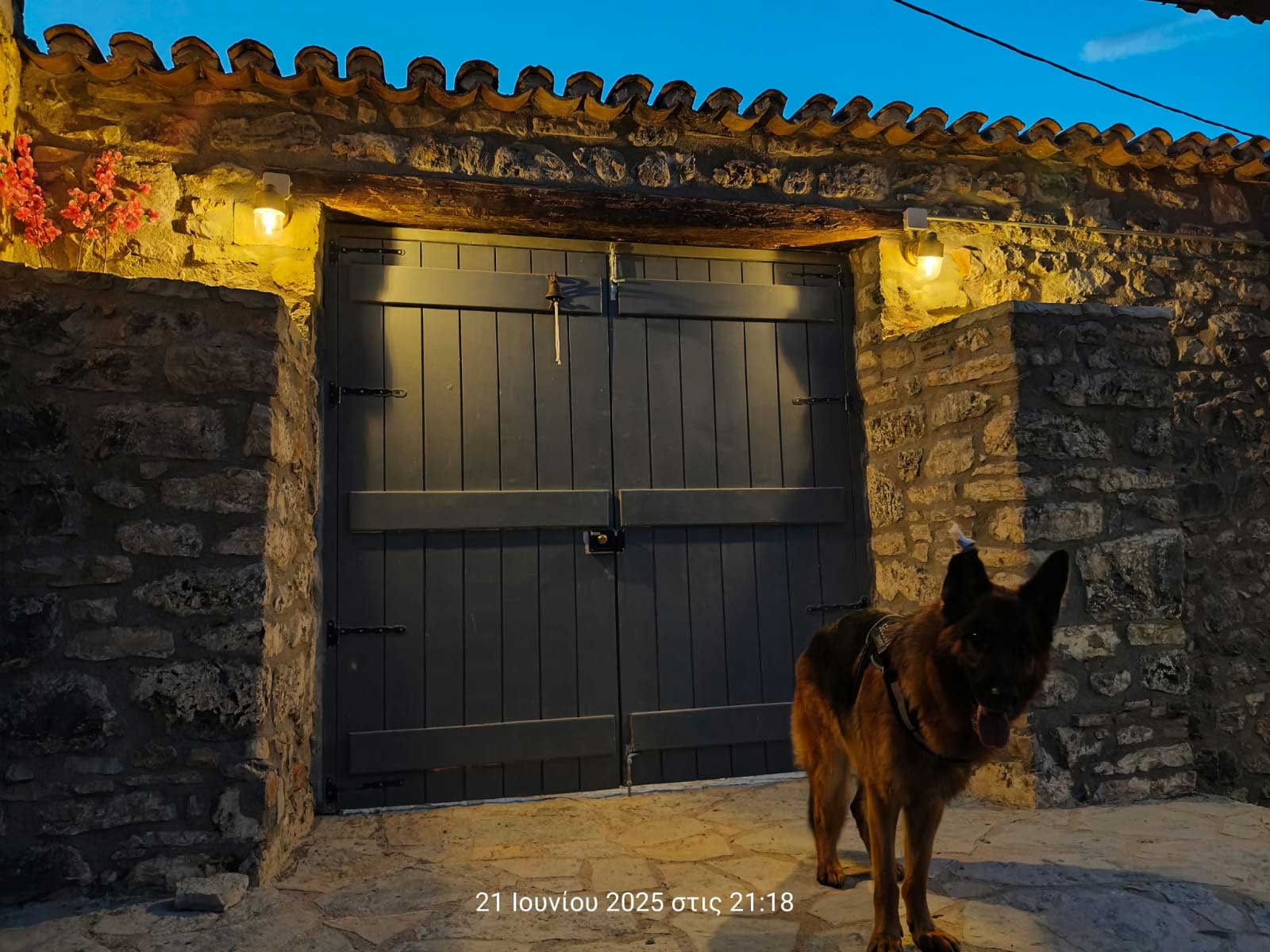
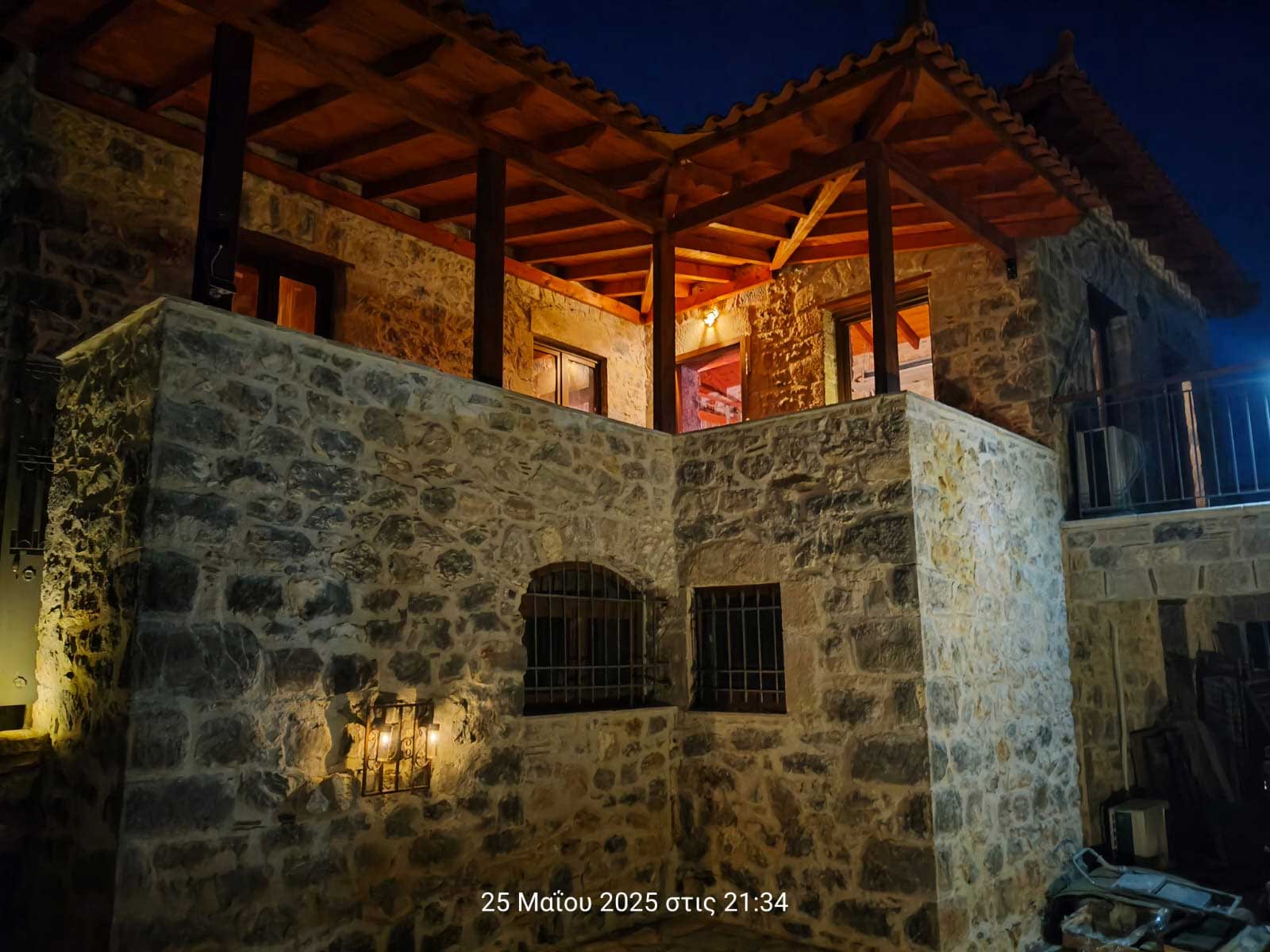
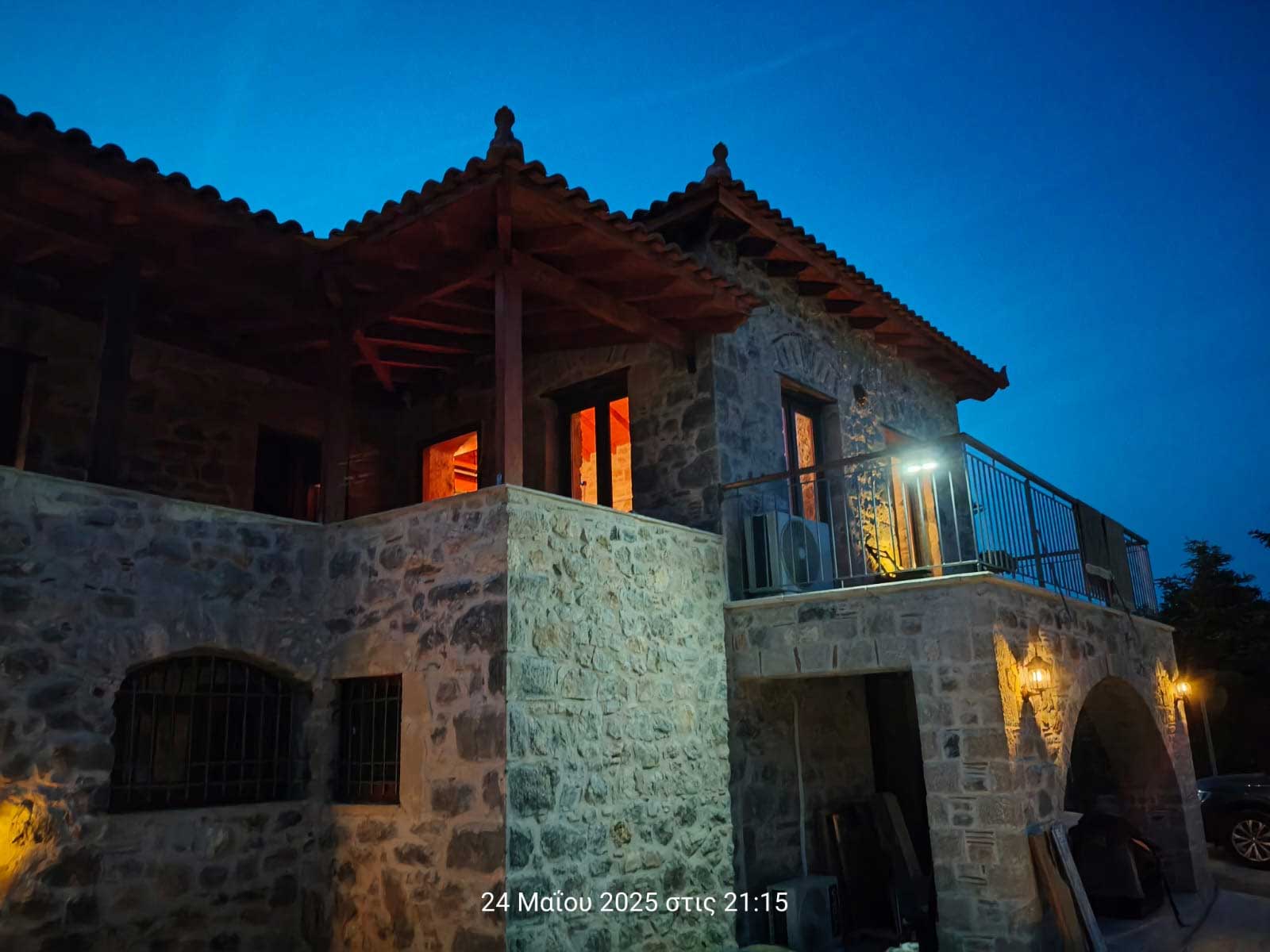
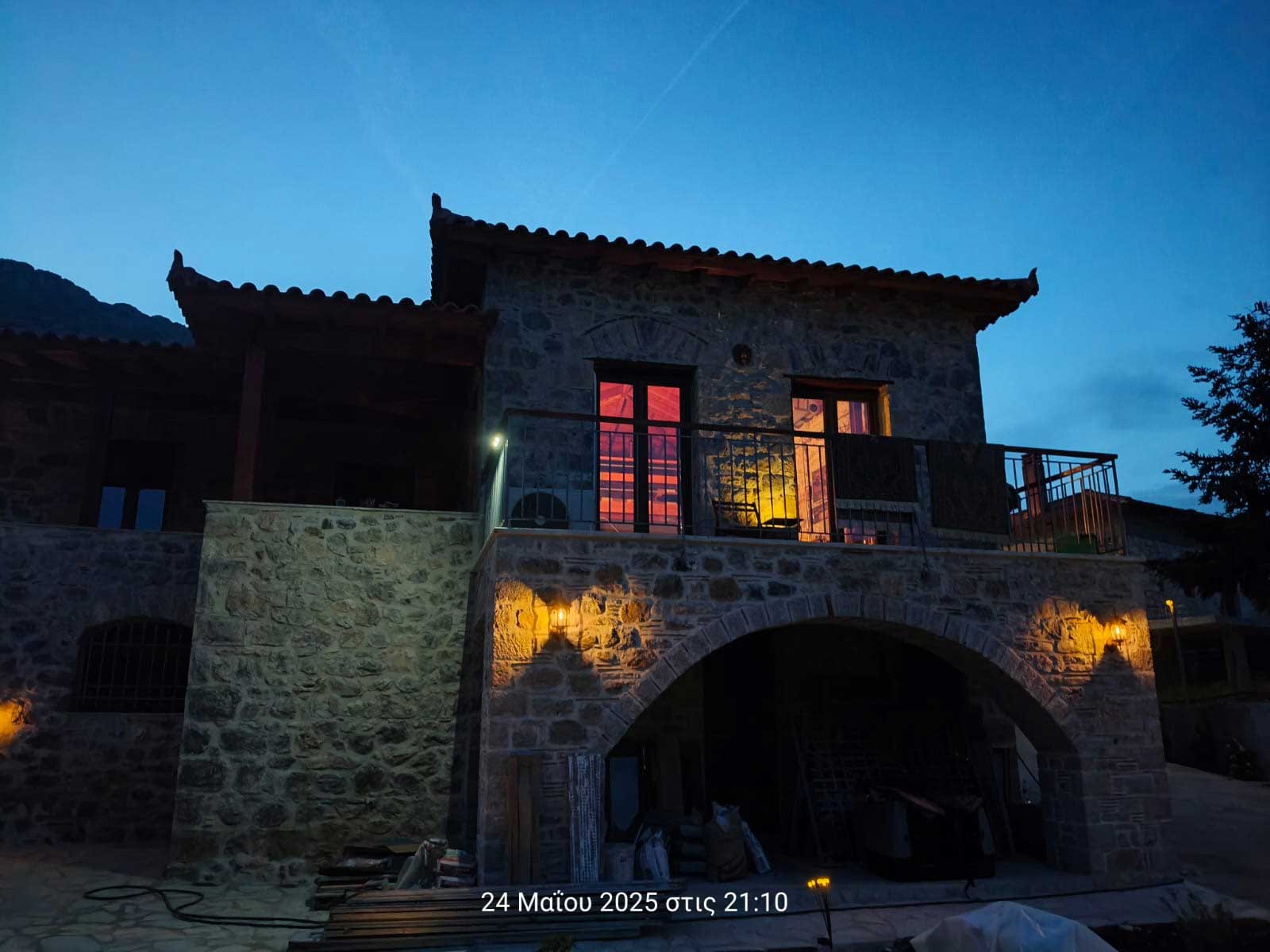
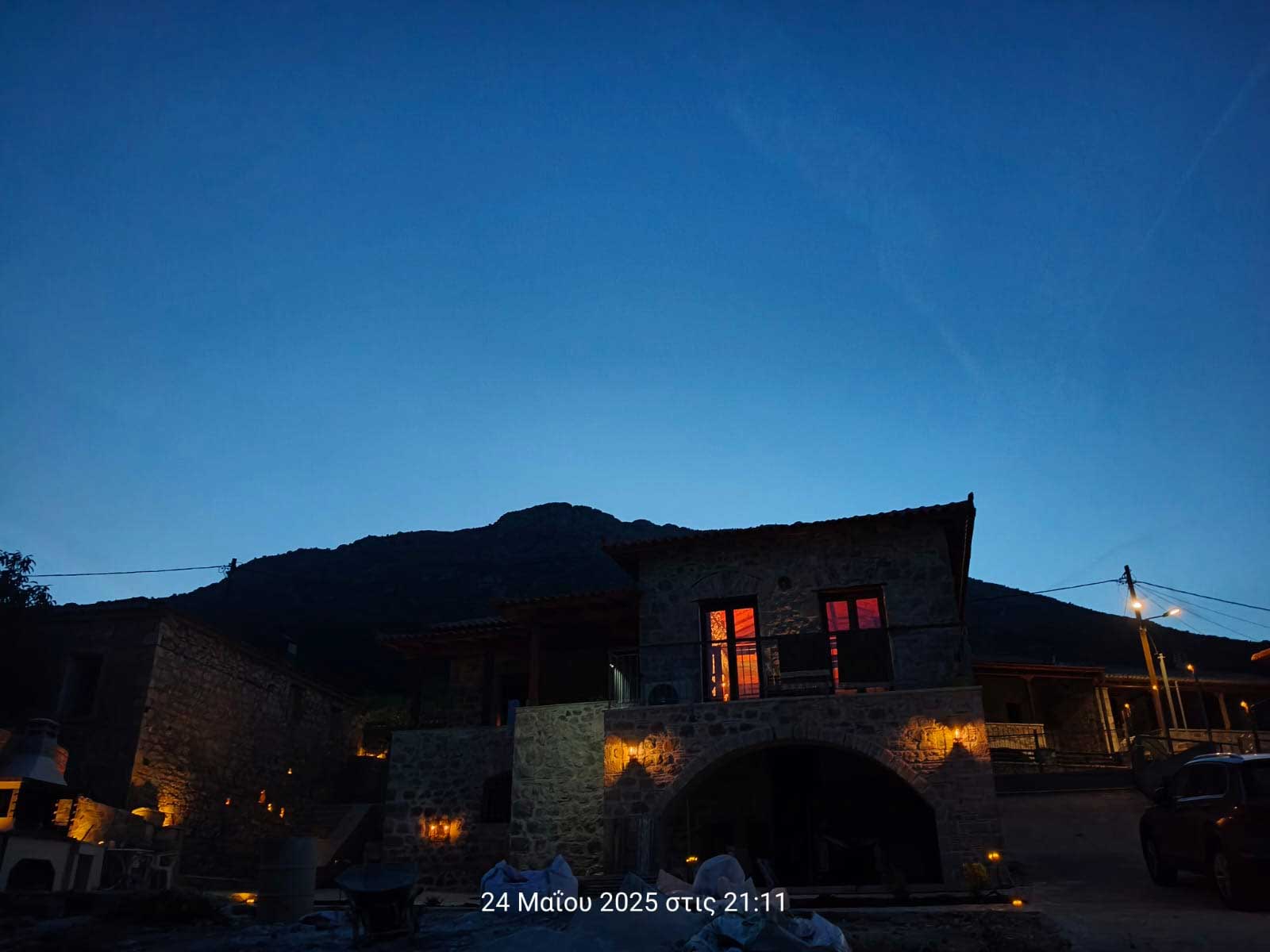
Perched at an altitude of 750 meters on the slopes of Mount Artemisio, where the untouched beauty of naturecrystalclear springs, dense fir forestsharmoniously blends with the understated architectural legacy of the region, lies the historic residence of the chieftains of the Greek War of Independence of 1821. This emblematic 18th-century mansion, a rare testament to the era’s spirit and struggle, has now been fully restored and opened to the public, offering visitors a unique opportunity to step into a living piece of Greek history and admire it up close.
The uniqueness of this building lies not only in its function, as it harmoniously blends private family life with professional and entrepreneurial activity, but also in its historical significance. During the decade of the Greek War of Independence (1821), it served as a strategic point of reference for the military leadership of the Peloponnese. Esteemed figures such as Theodoros Kolokotronis, Athanasios and Giannakos Dagreswhose statue now graces the village square and who were key allies of Kolokotronis, Mitros Anastasopoulos, Giannakis Gritzalis, and others, are all linked to this residence. At a time when the struggle against Ottoman and Egyptian forces was at its peak, the house played a crucial role in the coordination and planning of military operations.
This noble mansion was set ablaze in 1826 by order of Ibrahim Pasha, during his campaign to suppress the Greek Revolution in the Peloponnese. Its destruction marked a symbolic act of resistance and sacrifice. A full century later, in 1906, its reconstruction begandeliberately chosen as a symbolic gesture of resilience and remembrance. The rebuilding was carried out with profound respect for the original architectural lines, preserving the spirit and dignity of the historic structure.
Following its complete restoration, the mansion now holds a dual identityessentially functioning as a museum within a museum. The first ‘museum’ is the mansion itself, with all its original aesthetic, structural, and architectural elements meticulously restored, making it a rare and authentic example of its kind. The second lies in its new purpose: it will house a representative collection of relics from the Greek War of Independence, while also serving as a venue for a wide range of cultural events and activities. This unique blend of heritage preservation and living history makes the site a dynamic cultural landmark.
Through this ambitious project, the historic mansion of Karya emerges from the shadows of neglect and oblivion, now imbued with a renewed spirit of rebirth and meticulous care. It is set to become a vibrant cultural beacon, with the potential to host a wide array of events of regional and national significance. Acting as a bridge between Karya and major cultural hubs, the mansion promises to serve as a dynamic center for heritage, creativity, and community engagement.
Moreover, one of the primary objectives of the current owner is to highlight the broader significance of Karya itselfnot only its rich national history and natural beauty, but also its athletic traditions and agricultural activity. This traditional settlement offers a multifaceted identity, and the restoration of the mansion serves as a starting point for promoting the area’s cultural, environmental, and social heritage in its entirety(ΦΕΚΚαρυά – ΥΕΚΔ 388/25.07.1990) .
A team of specialized professionals and skilled craftsmen worked daily in every room of the house, restoring the lost brilliance that had been hidden beneath layers of paint. With exceptional attention and respect, they carefully restored every element of the decor, which is now revealed throughout the rooms and corridors.
The restorers ’embroidered’ the history of 1821 on the stone walls, uncovering many fascinating secrets hidden within the mansion. The truth is that, throughout this extensive restoration effort, the building revealed numerous intriguing discoveries. For instance, an unexpected and remarkable find in the architectural study of the mansion was the identification of a hidden crypt, which was used for the safe evacuation of the chieftains when the siege by the enemy forces became more intense.
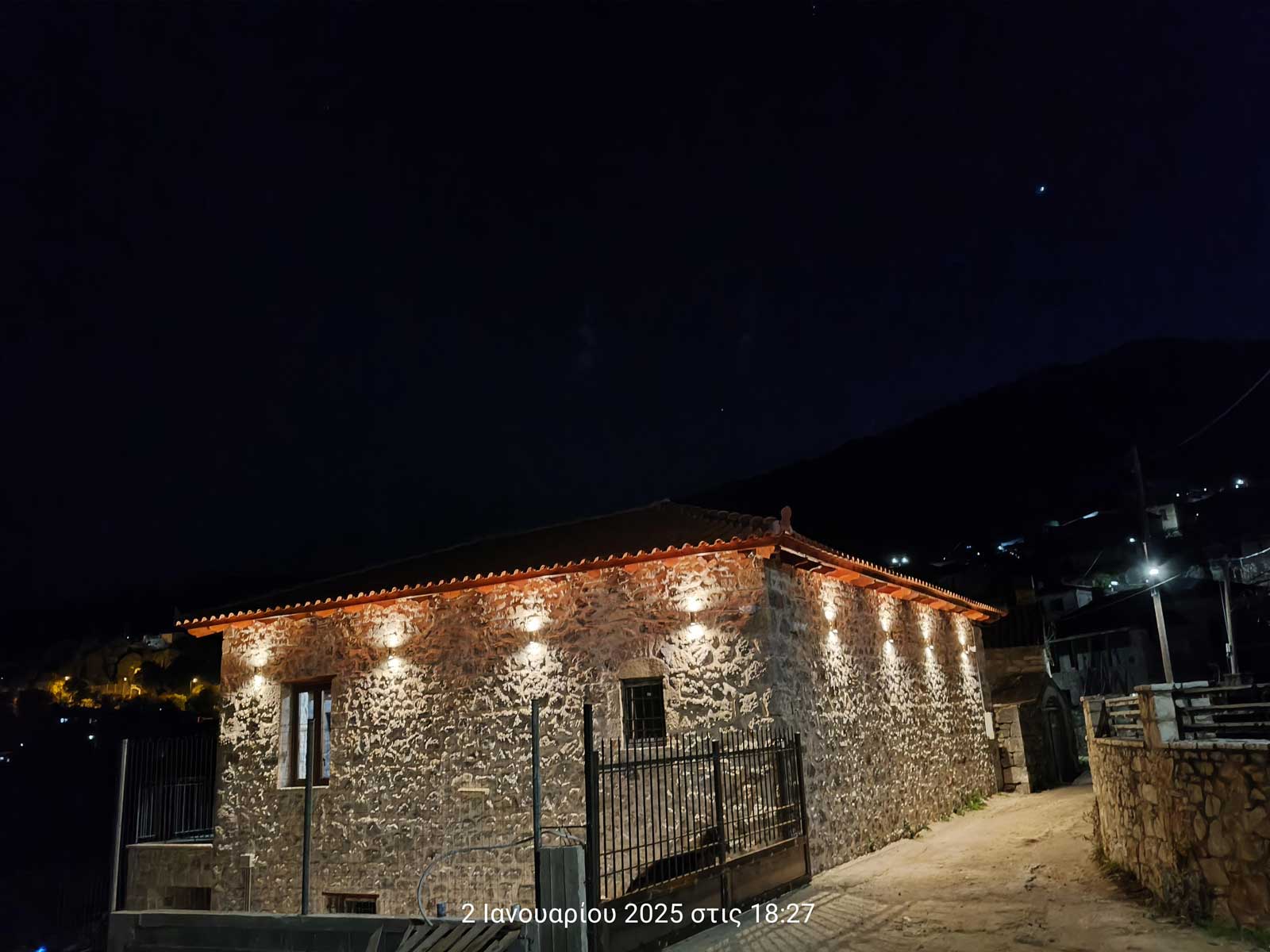
The restoration of such a house was an ambitious undertaking, as this mansion is unique in the broader region, requiring meticulous and specialized work to return it to its original form. In this effort, the owner was adamant about ensuring that no alteration would be made to the interior or exterior appearance of the building. To this end, the teams worked methodically and with absolute precision.
From the very moment the restoration effort began, the goal was not only to save and highlight the mansion, but also to connect it with the local community as a space of memory and art.
However, through the study of the building and the subsequent systematic restoration work, the unique architectural and artistic features of the mansion were uncovered. This process not only helped understand the multiple transformations the building underwent but also provided insight into its very history. The advanced state of neglect required extensive study and effort to ensure that no significant elements of its architectural identity were lost.
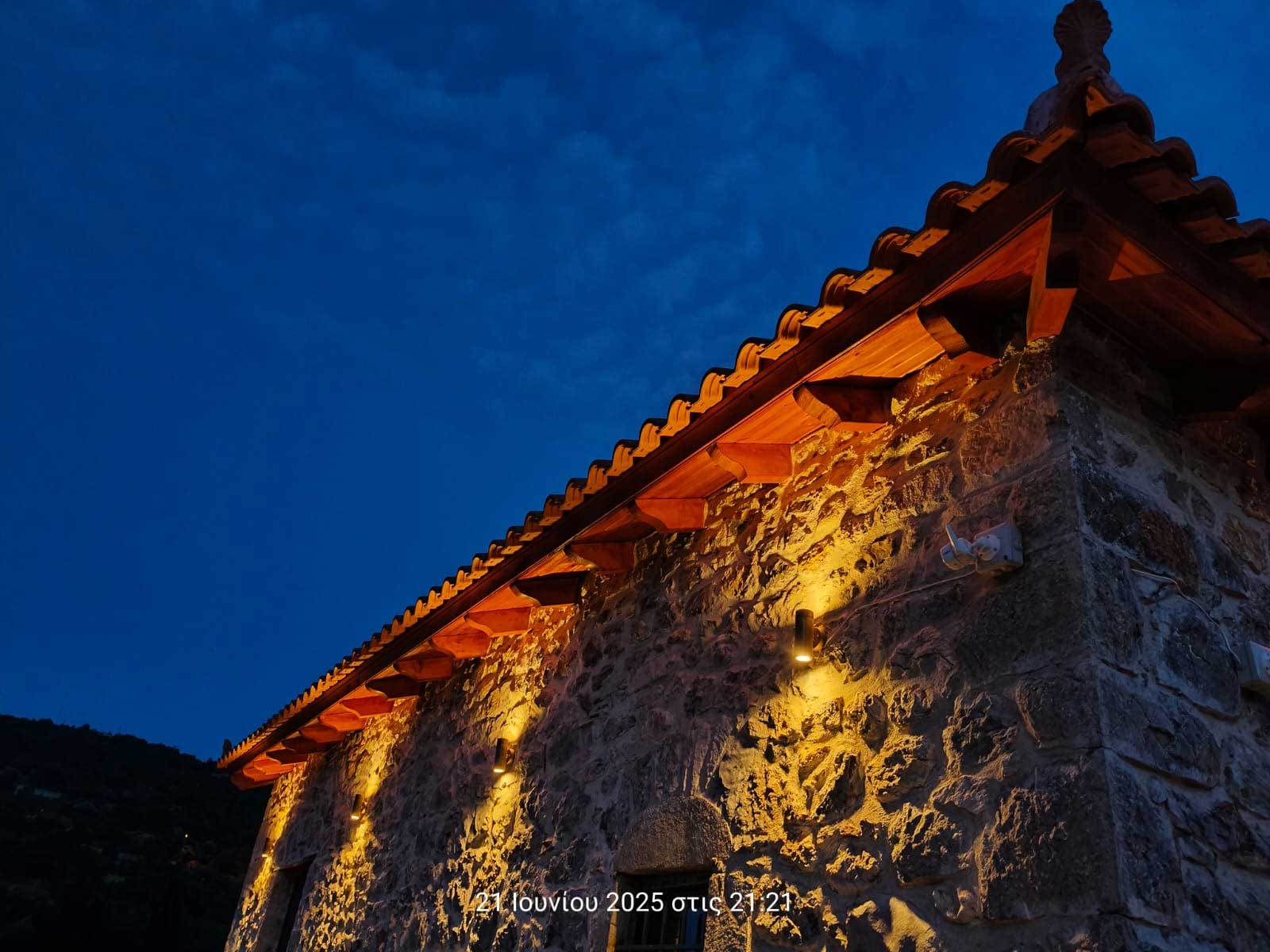
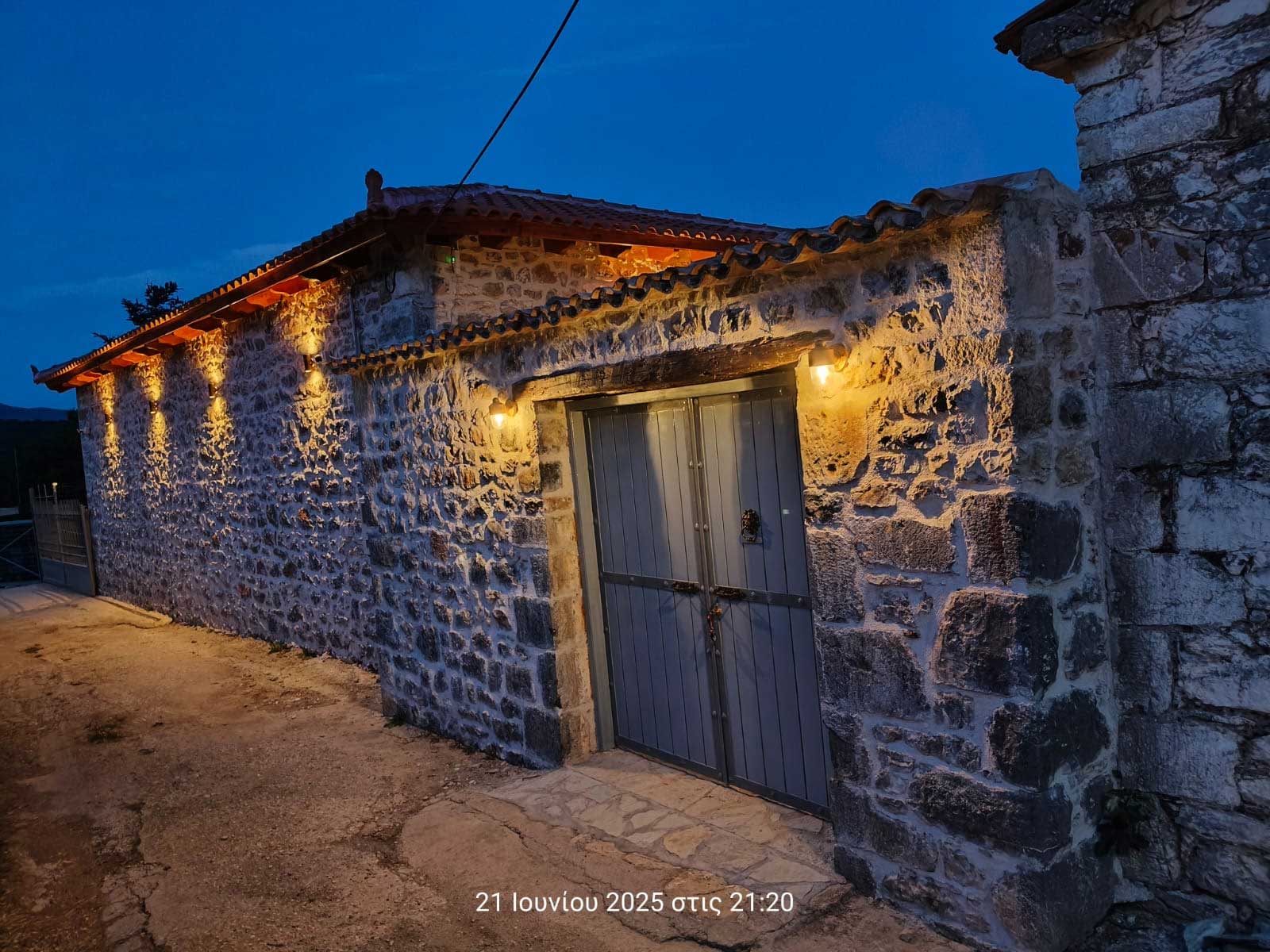
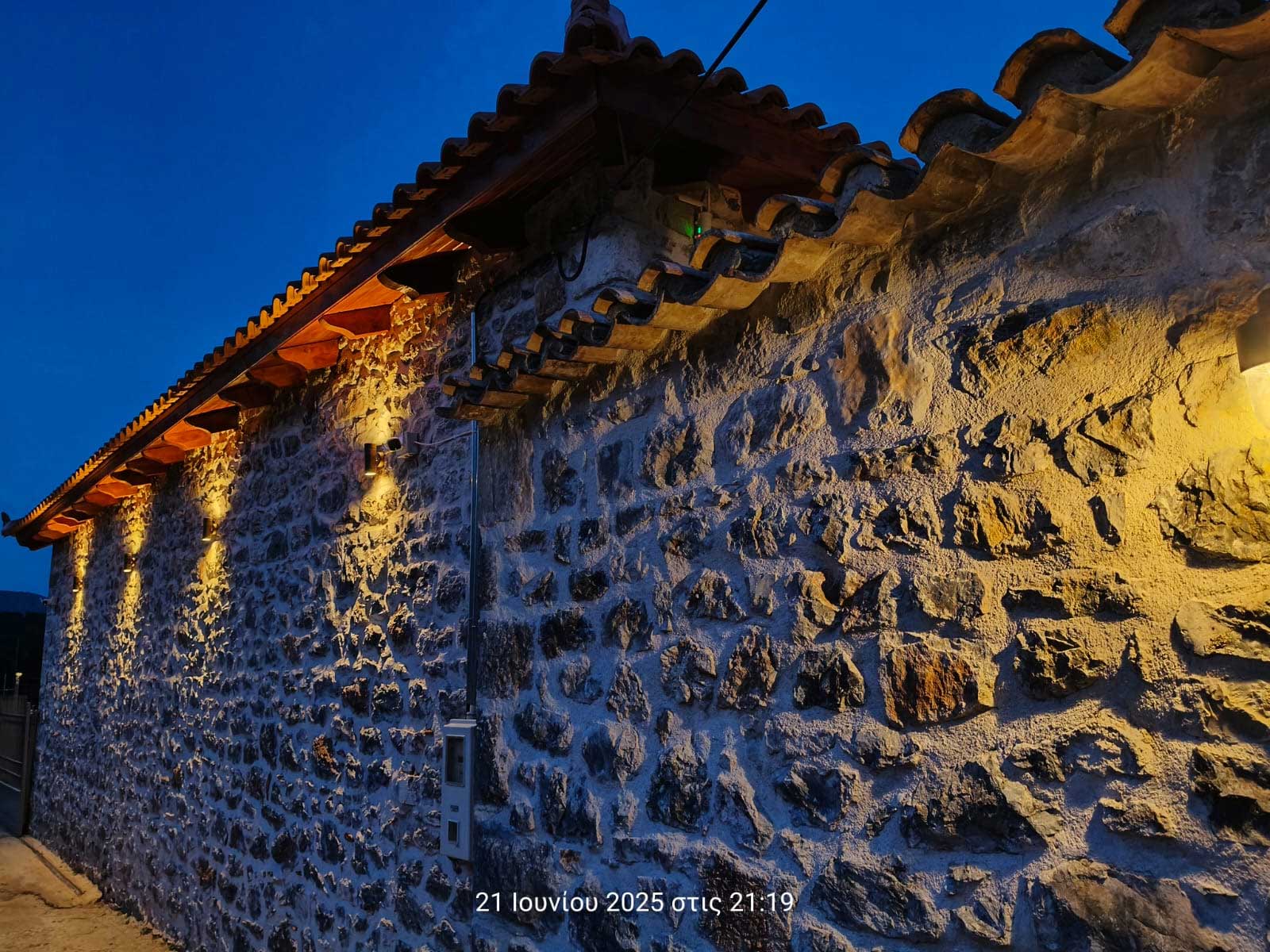
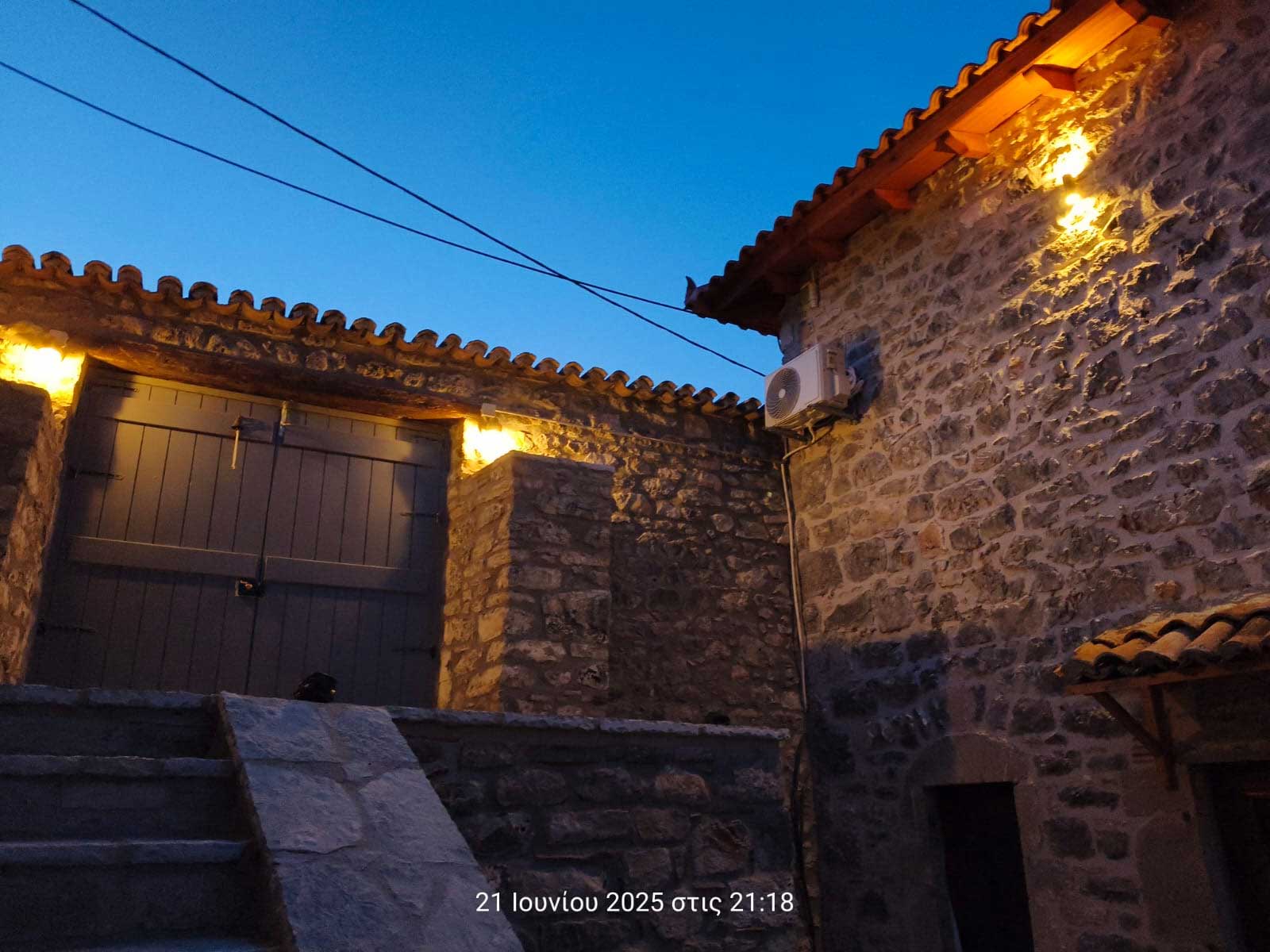
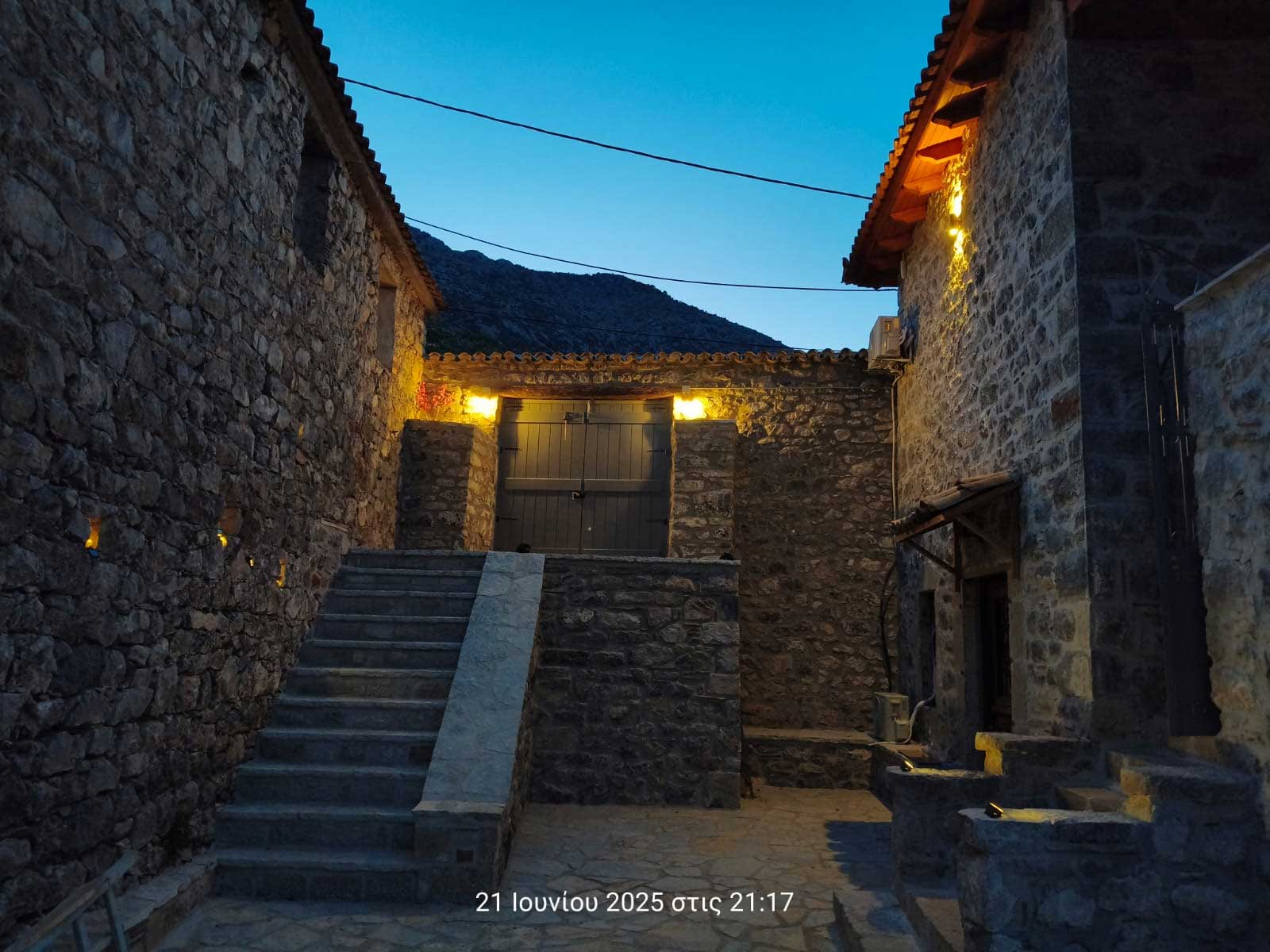
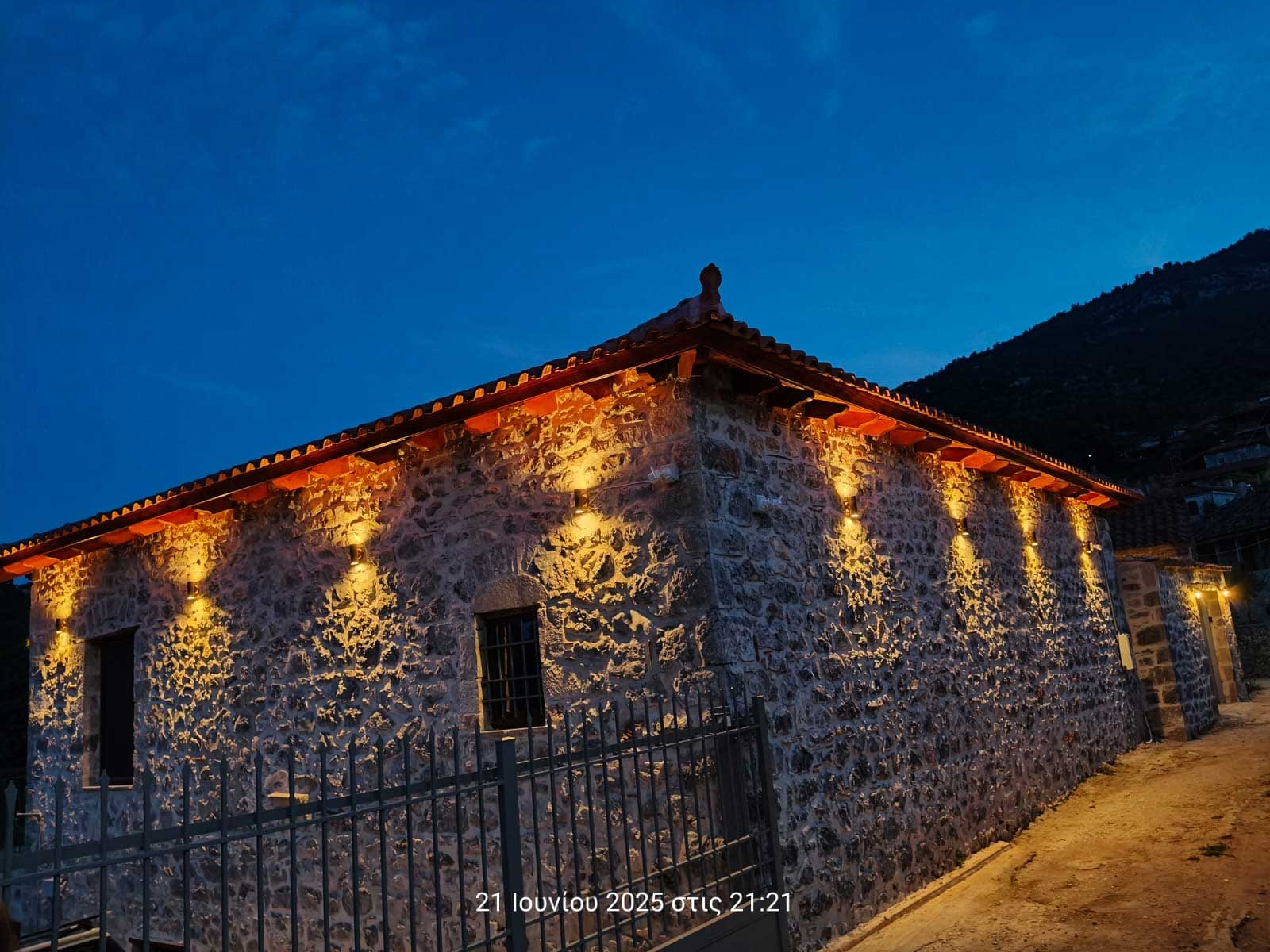
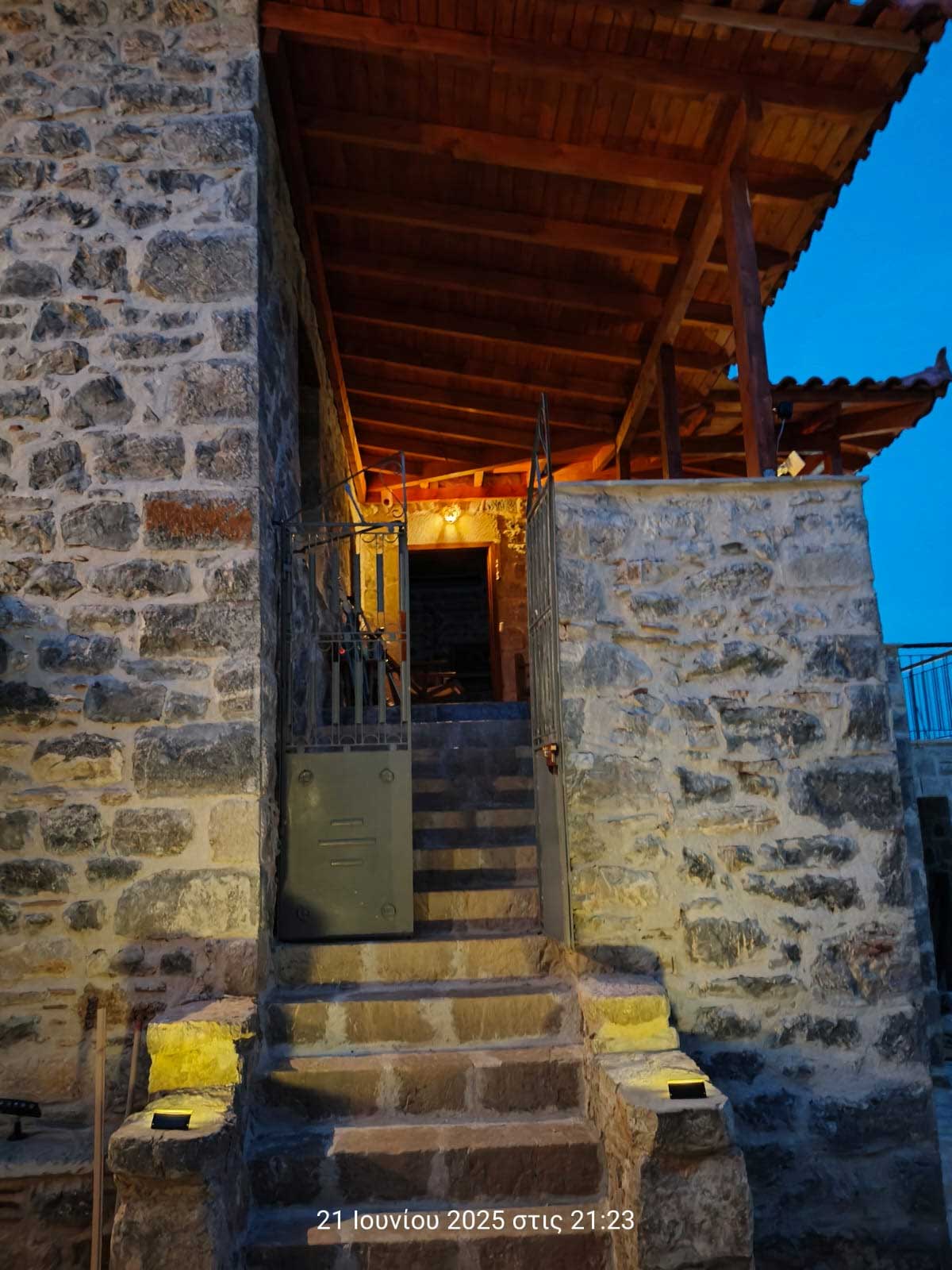
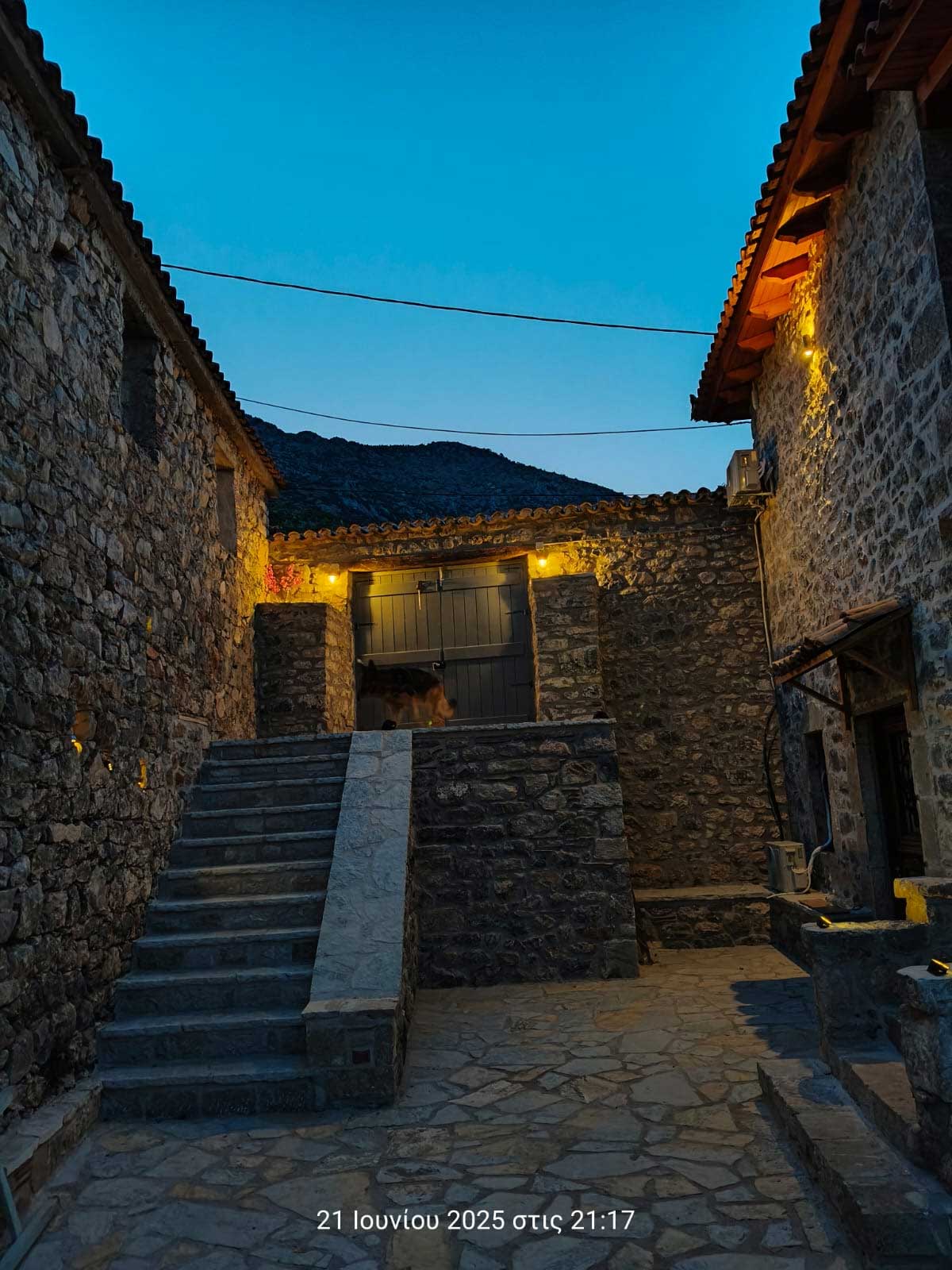
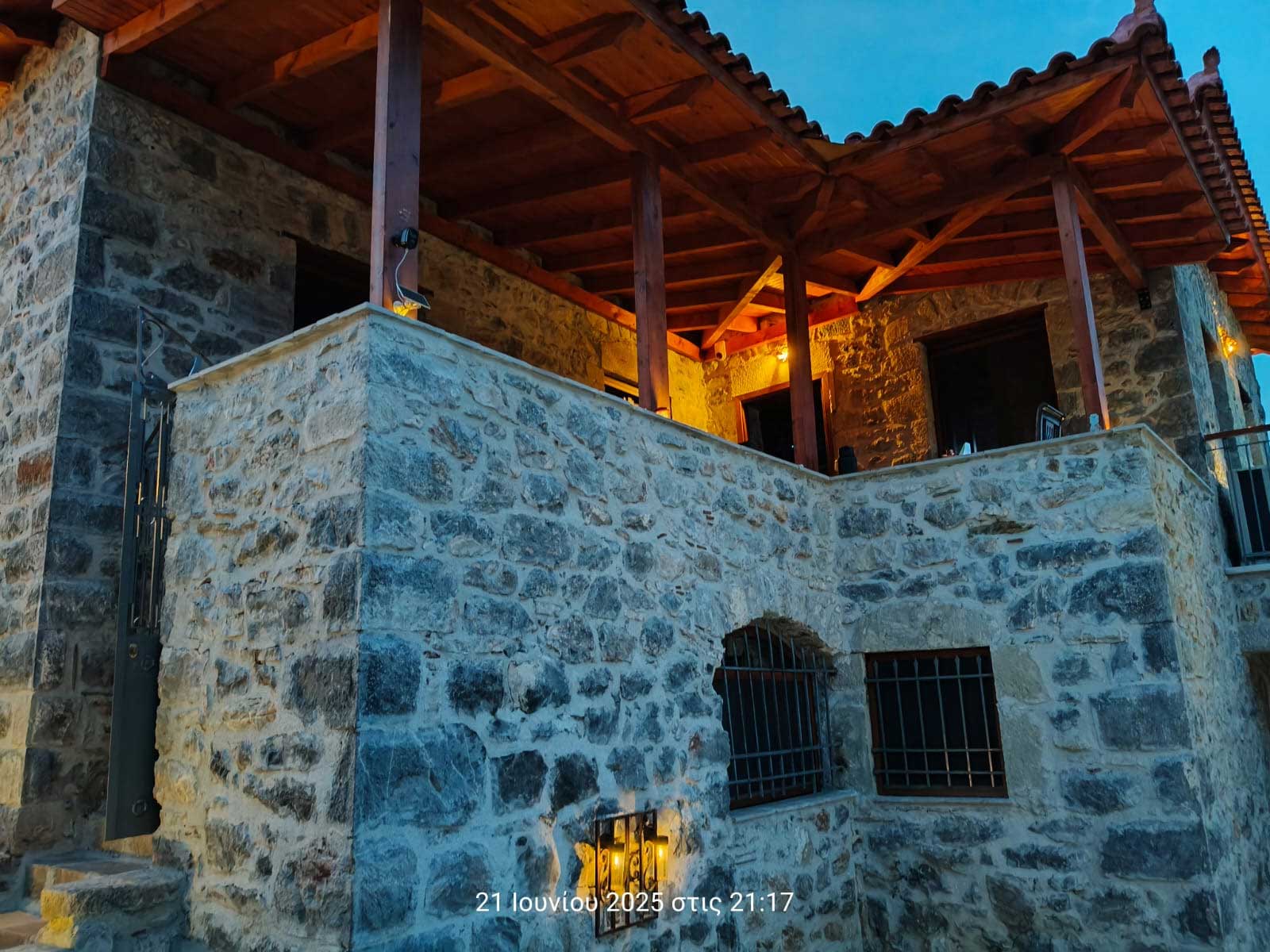
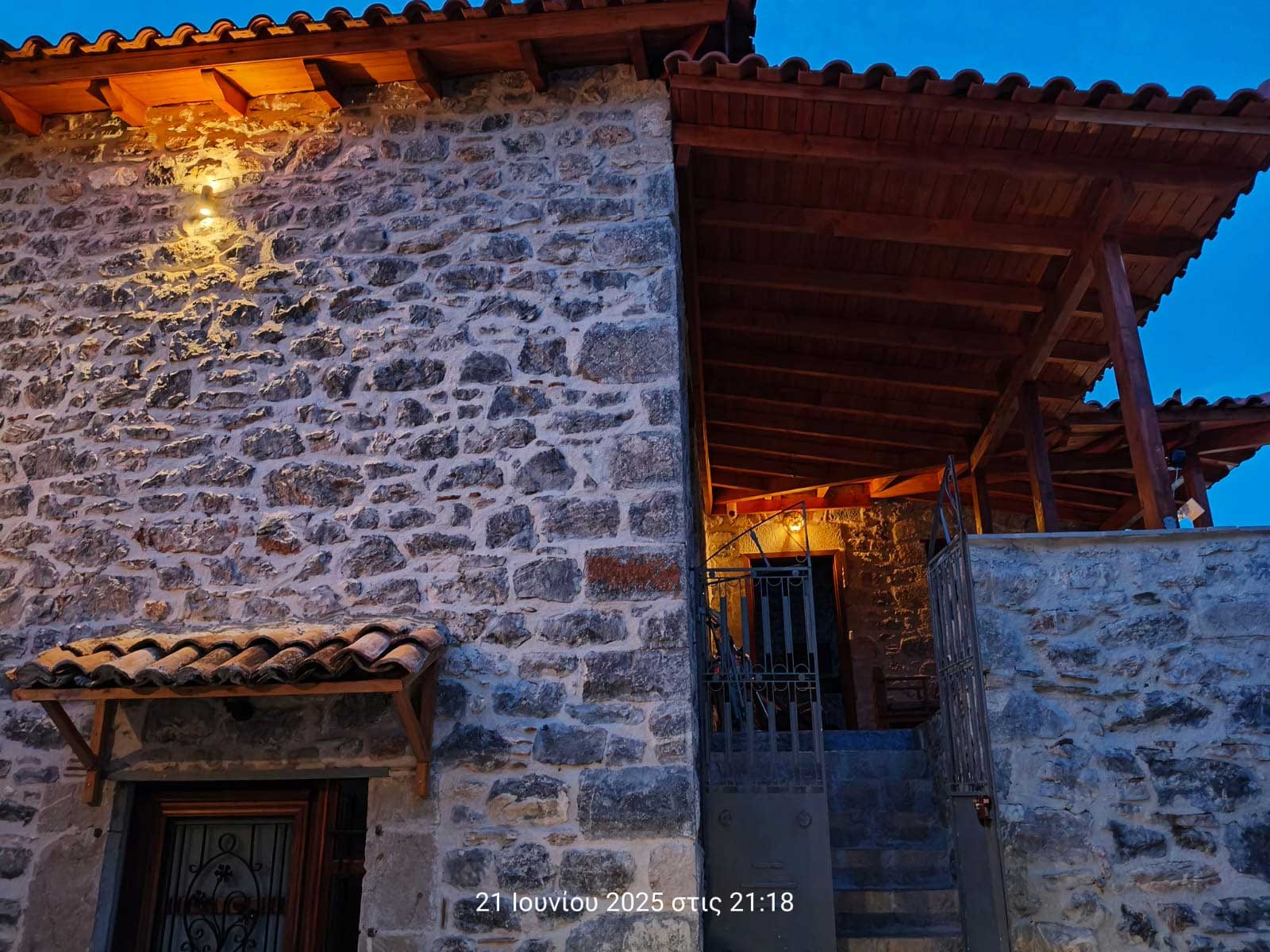
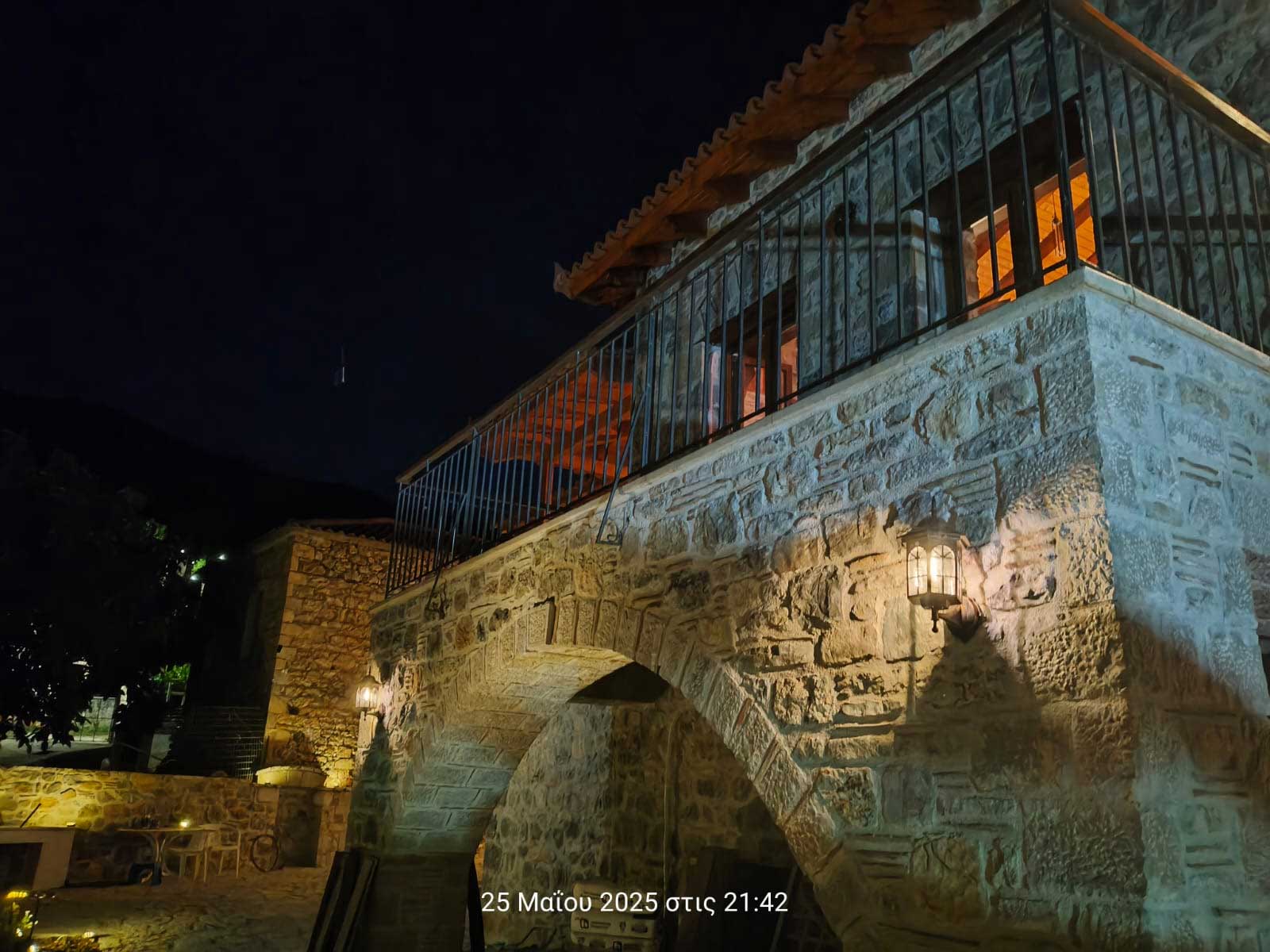
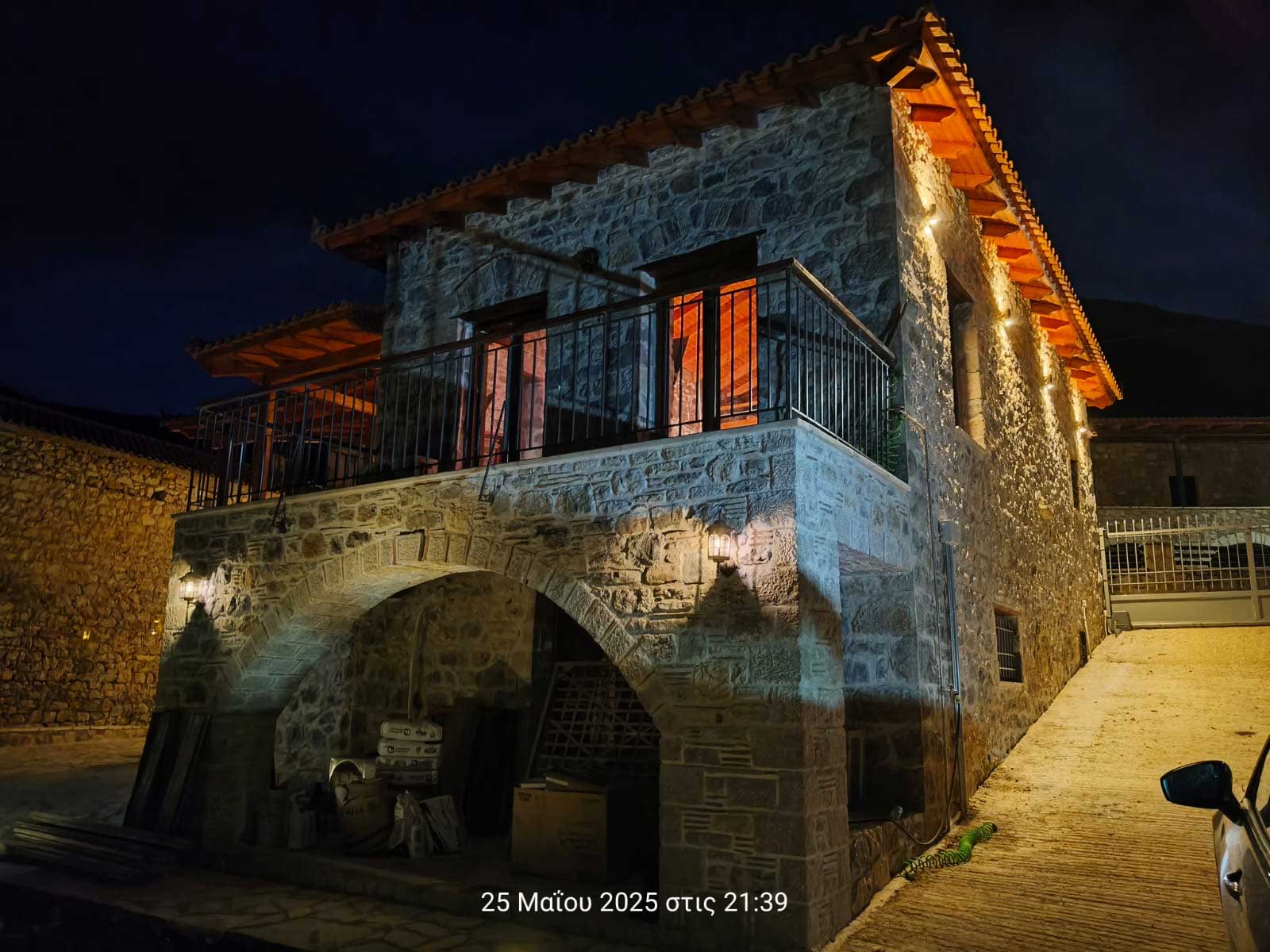
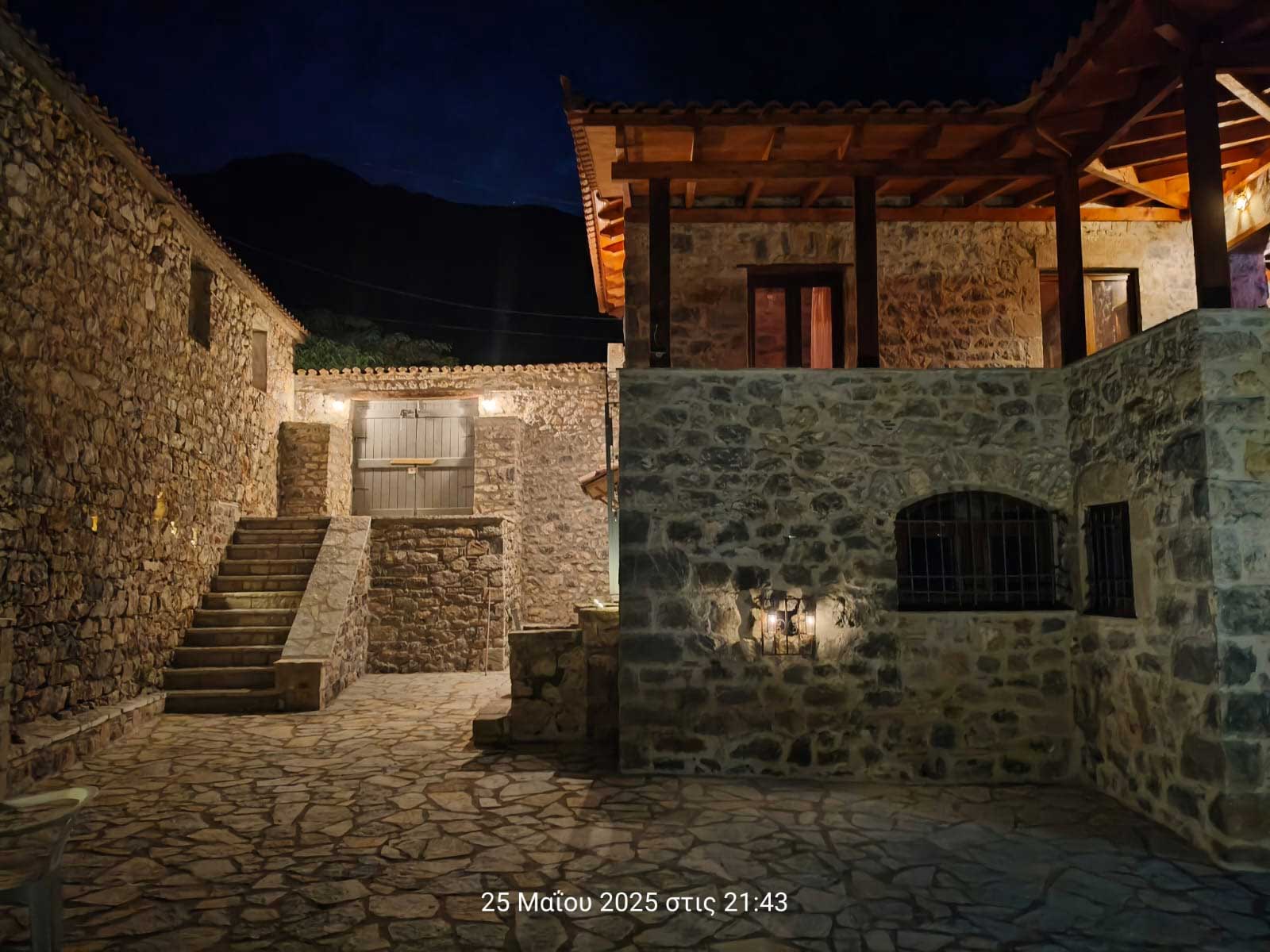
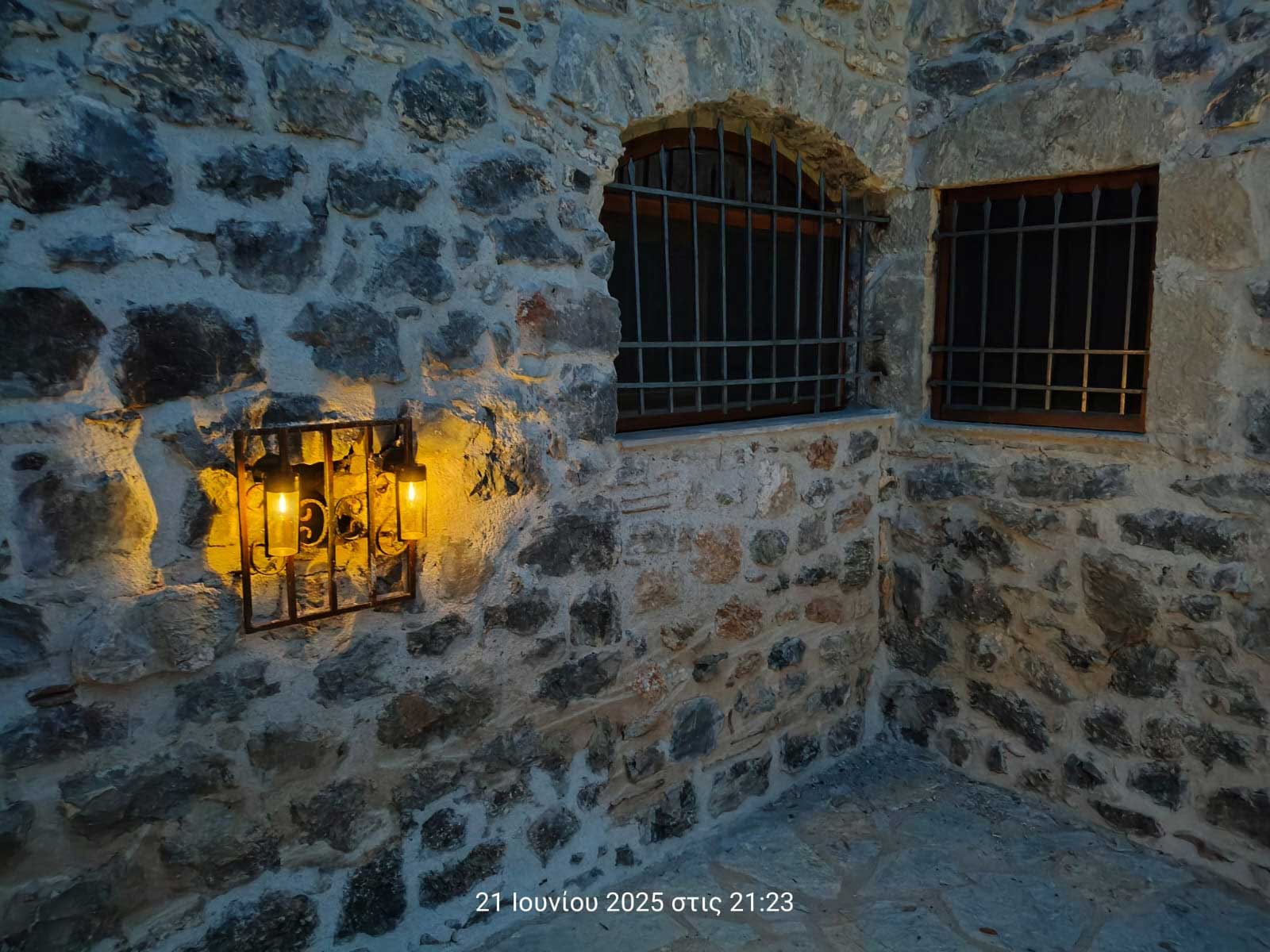
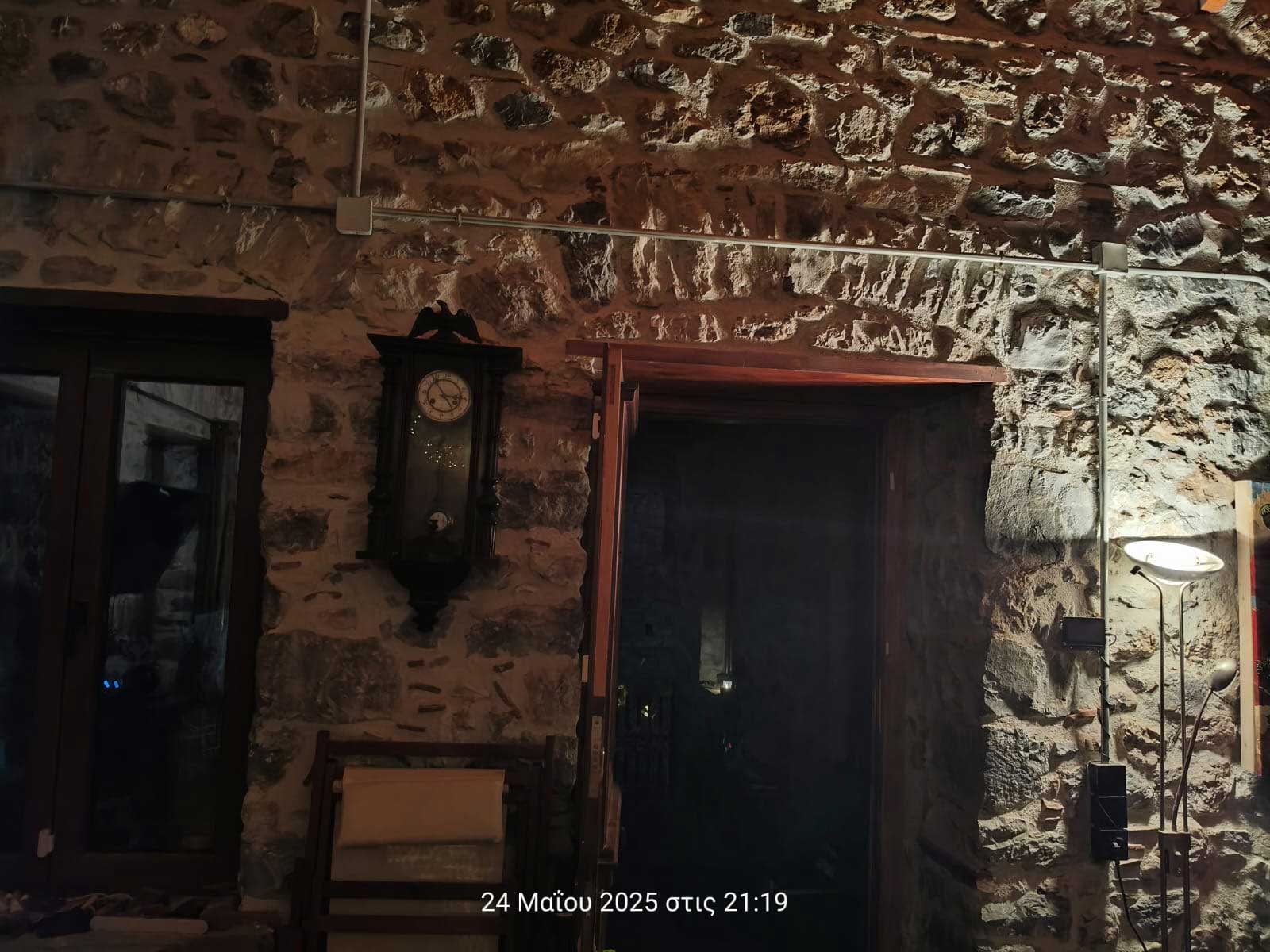
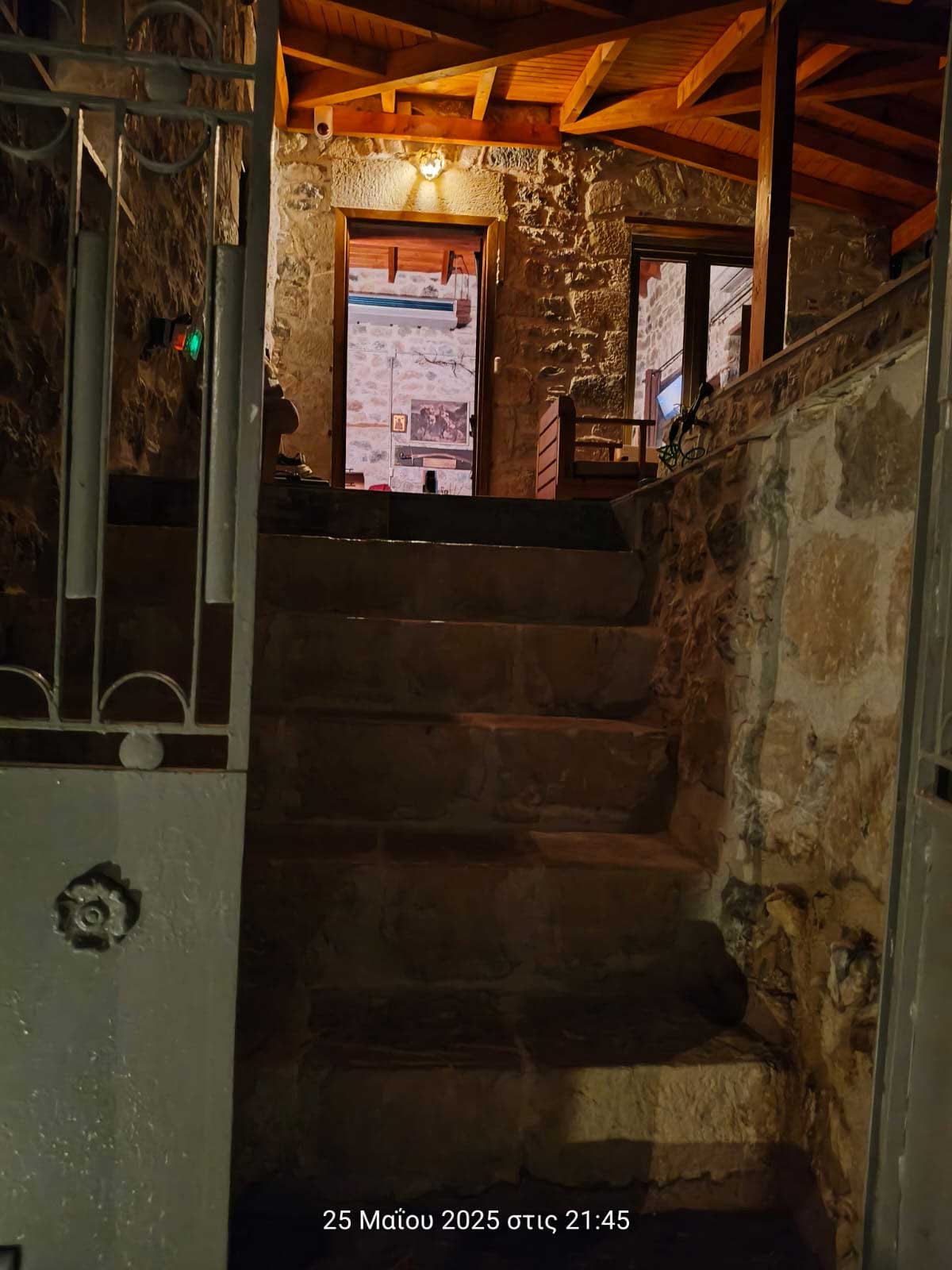
Thus, the foundation of the building was reinforced, the walls were cleaned and repointed, and the construction of new four-pitched roofs was deemed necessary, along with the installation of new window frames where needed. The space now accommodates living areas, rooms with fireplaces, and sanitary facilities, all carefully designed with a focus on comfort and luxury.
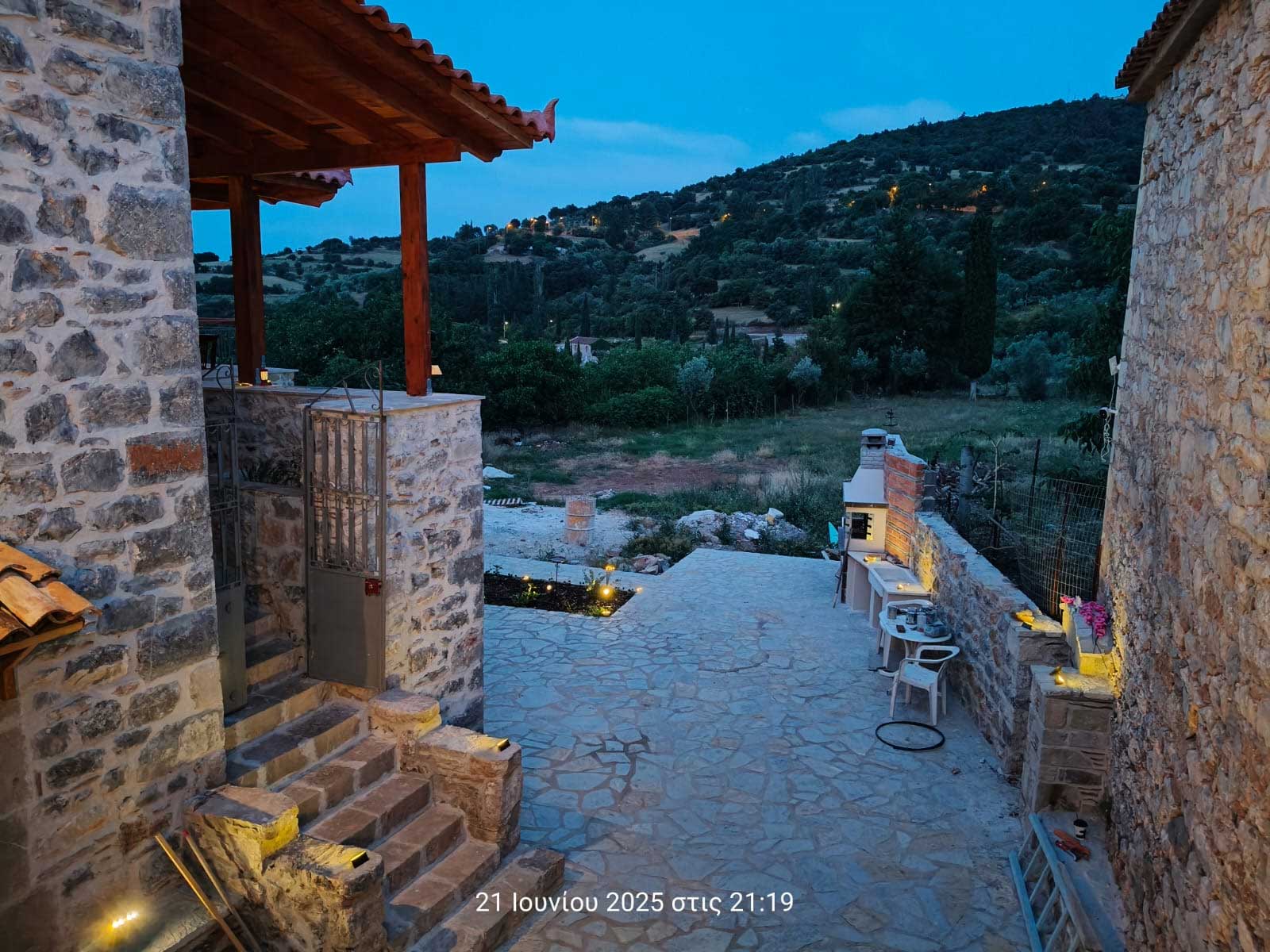
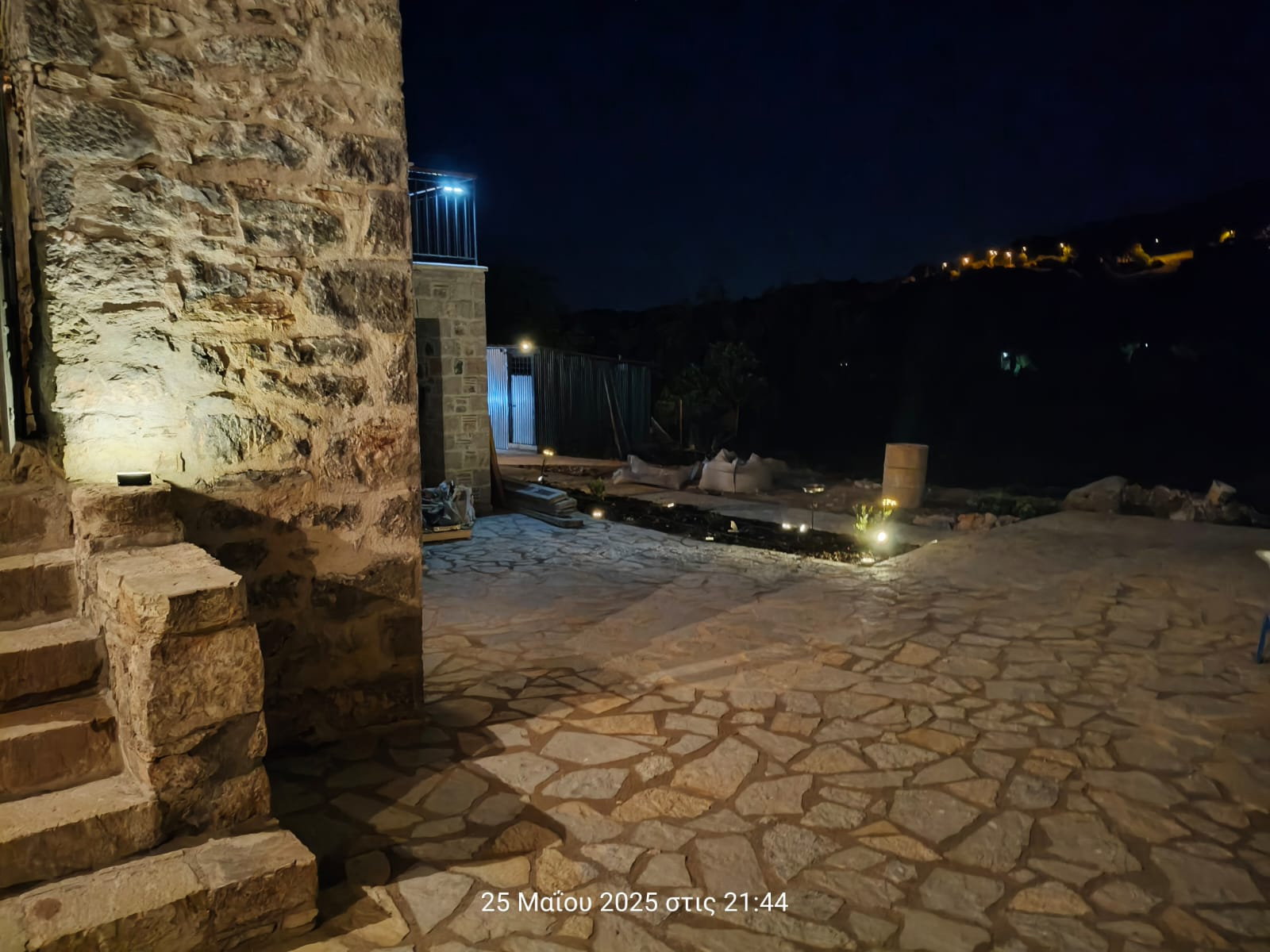
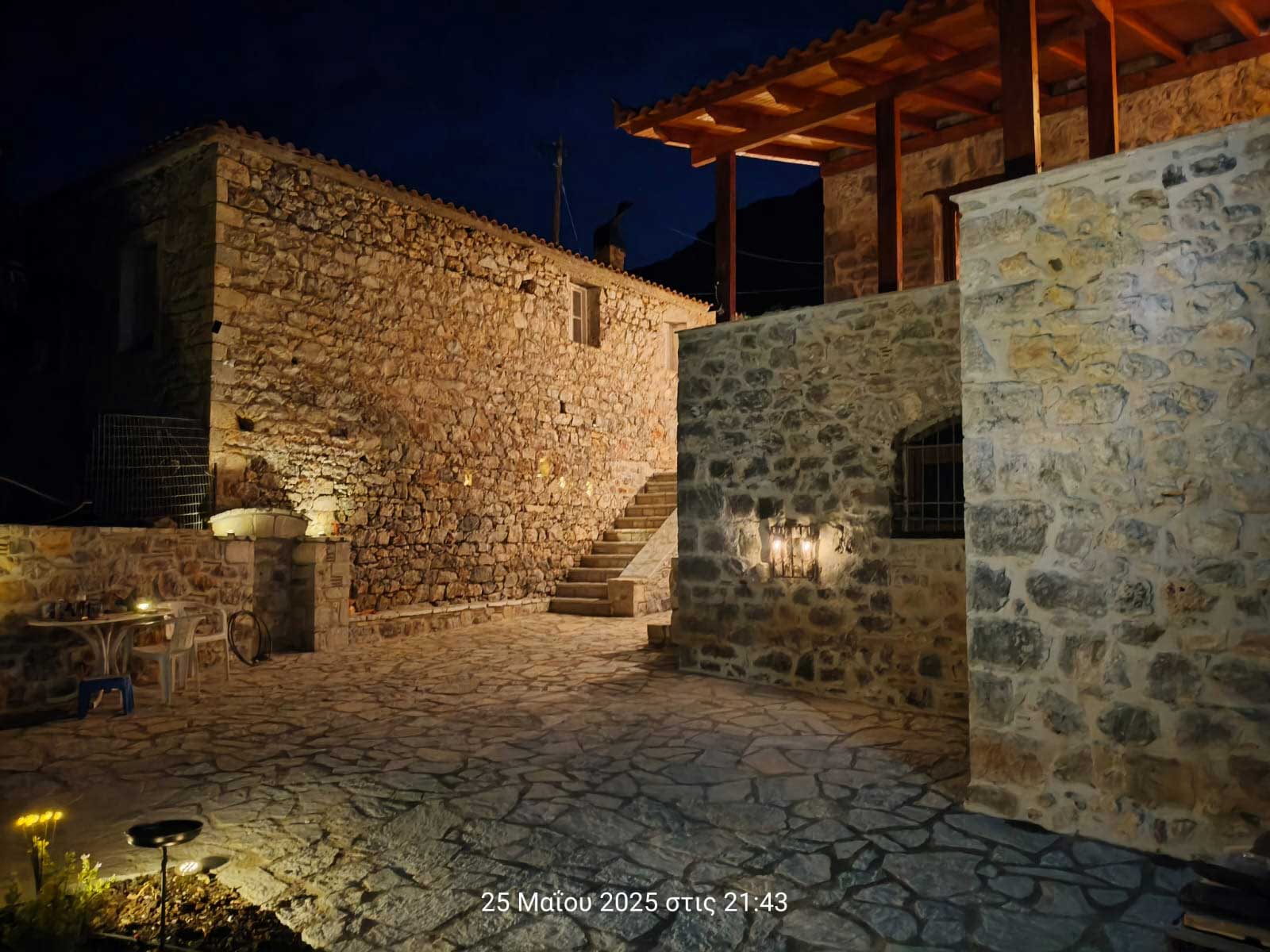
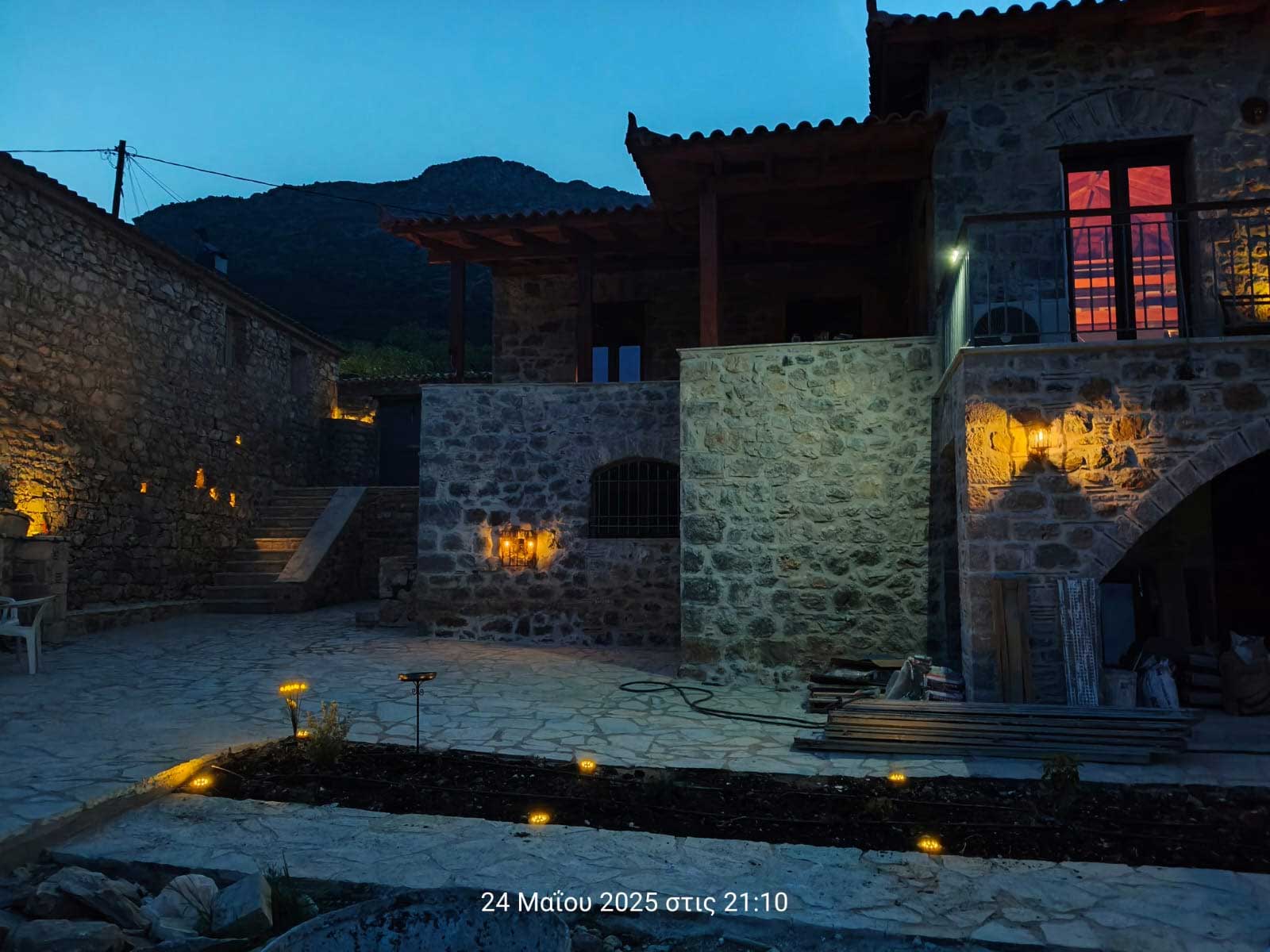
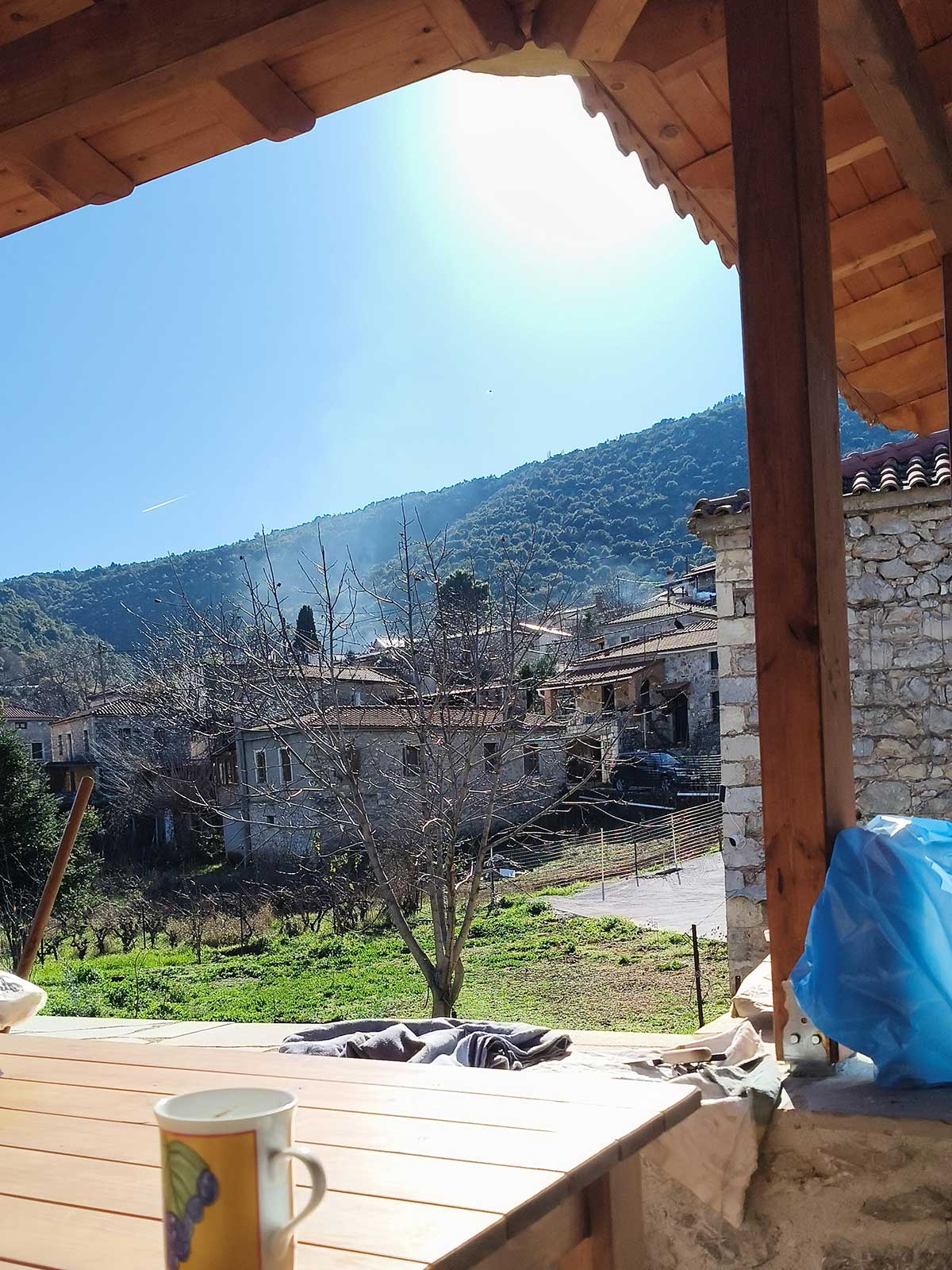
The stone, wood, and color, characteristic of traditional architecture, are filtered through a modern perspective, creating a familiar and unique environment with an unobstructed view of the hills covered in fir trees and oaks within a 3,000-square-meter estate.
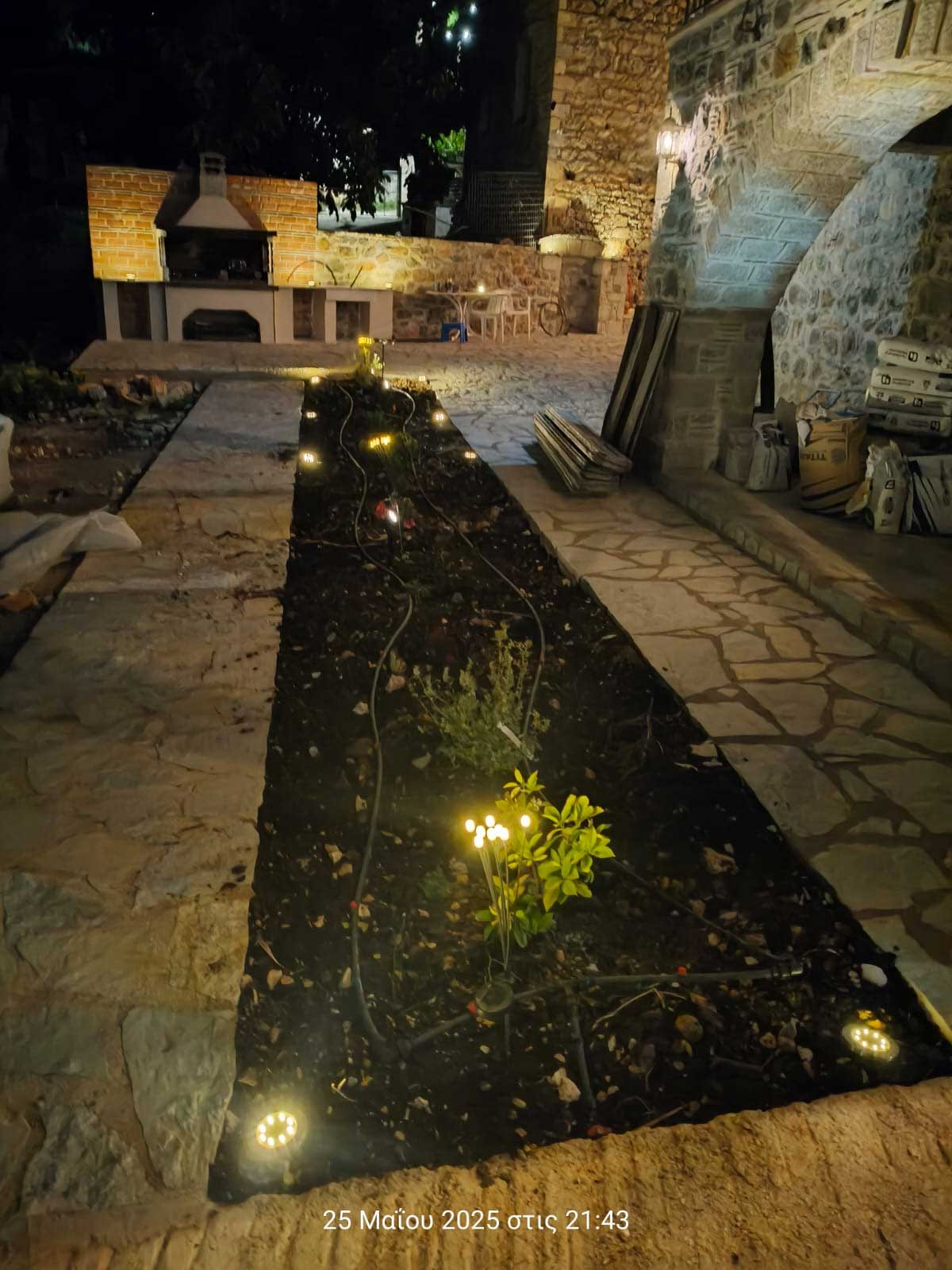
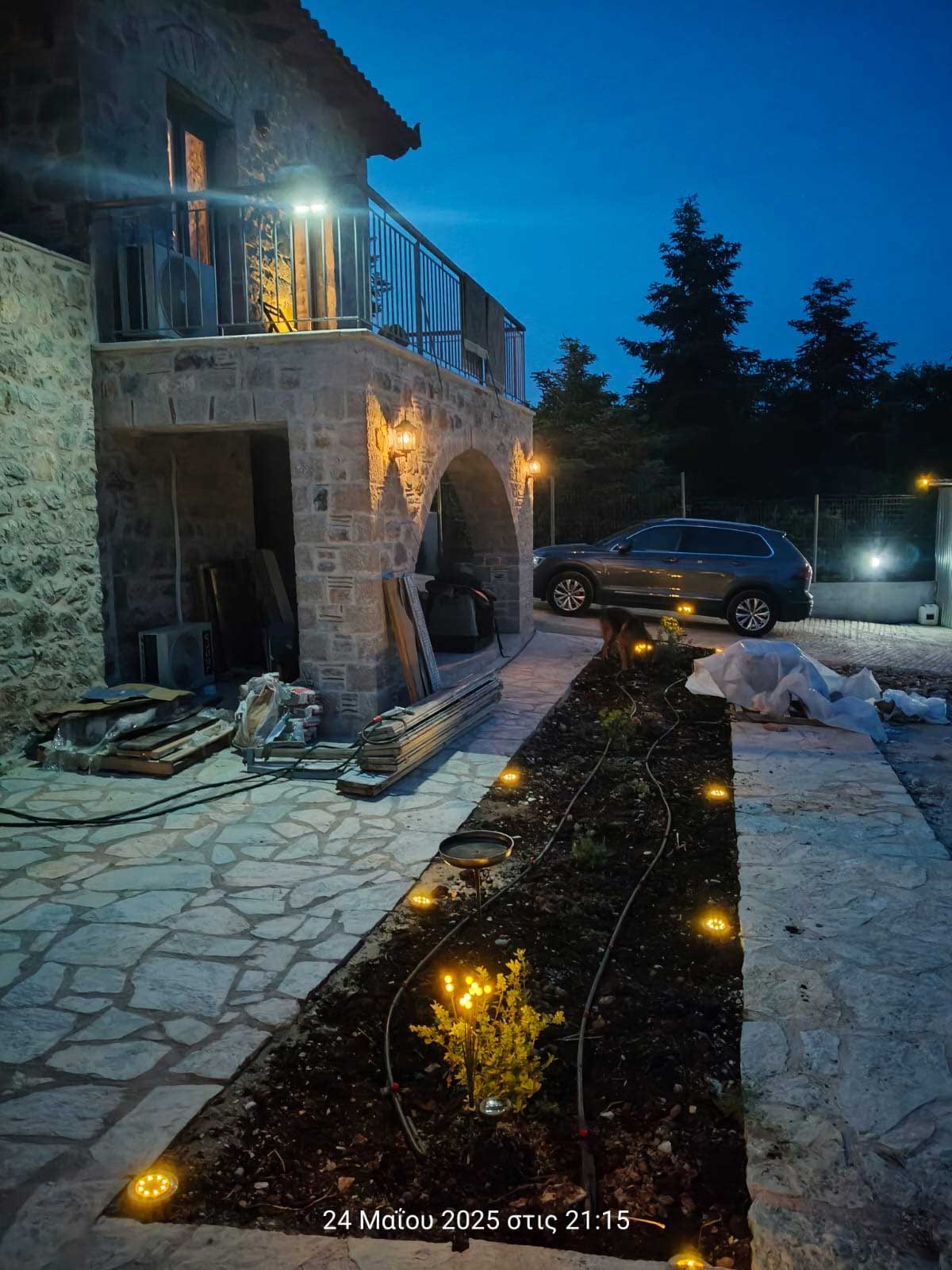
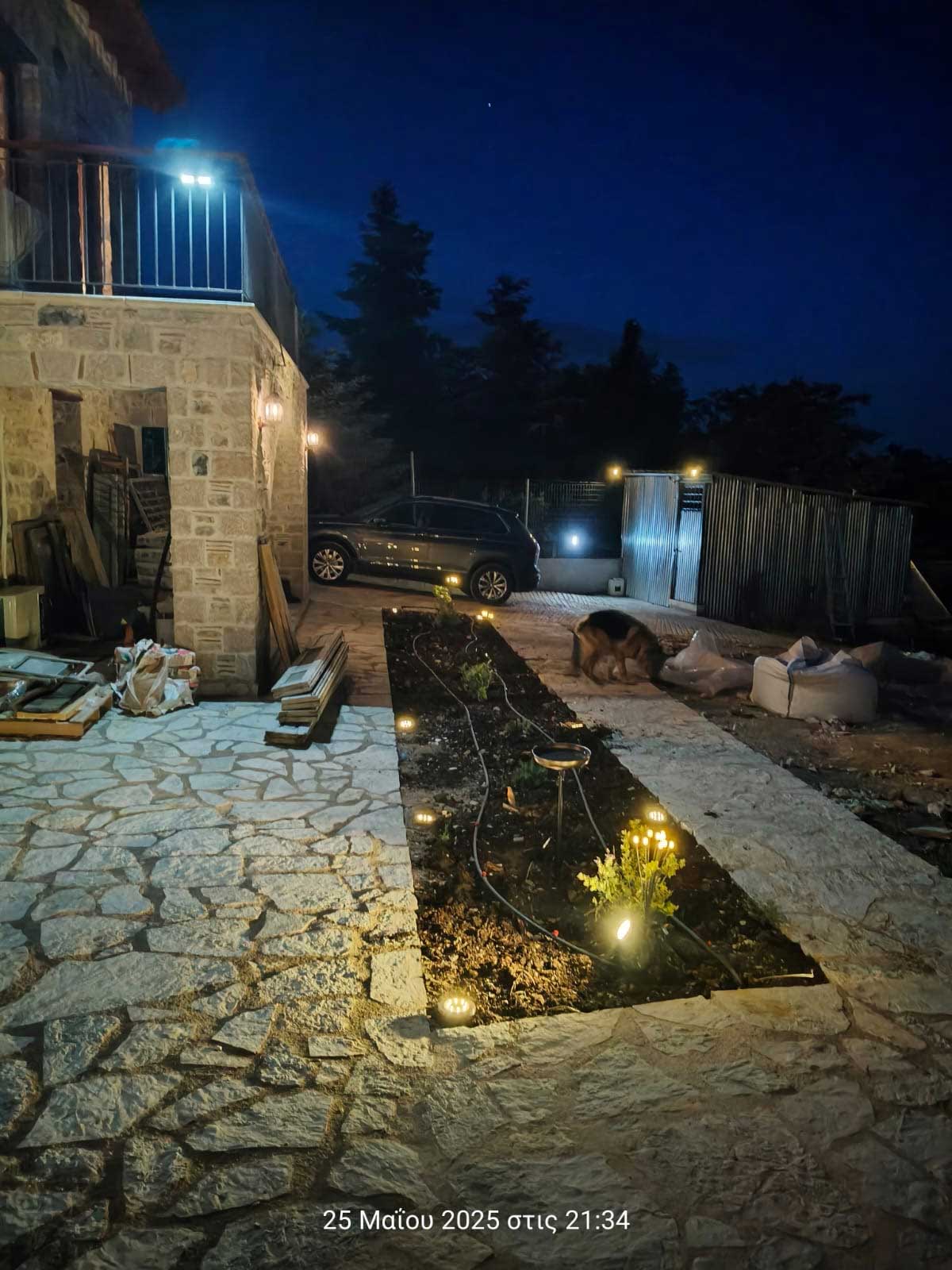
In front of the mansion, there is an unobstructed garden with mountain trees such as chestnuts, cypress trees, and firs, as well as cherry trees, apple trees, pear trees, sour cherry trees, and aromatic herbs, all available for the visitors to enjoy.
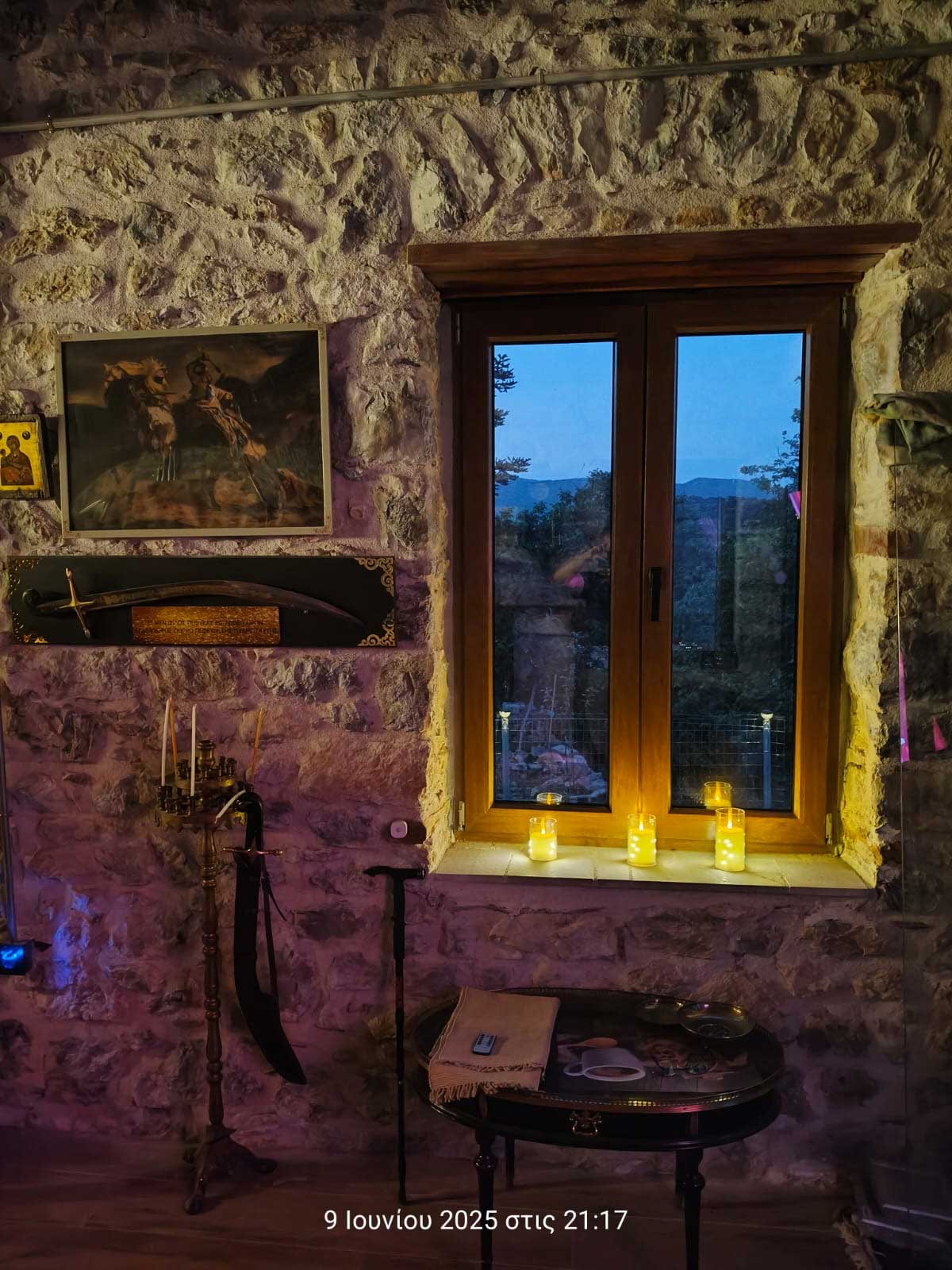
The view is expansive, with no other buildings obstructing it. Ample natural light pours in, and the vista extends towards Mount Artemisio, where the temple once stood with the priestesses of the Caryatids and the golden statue of the goddess Artemis, which is still being sought.
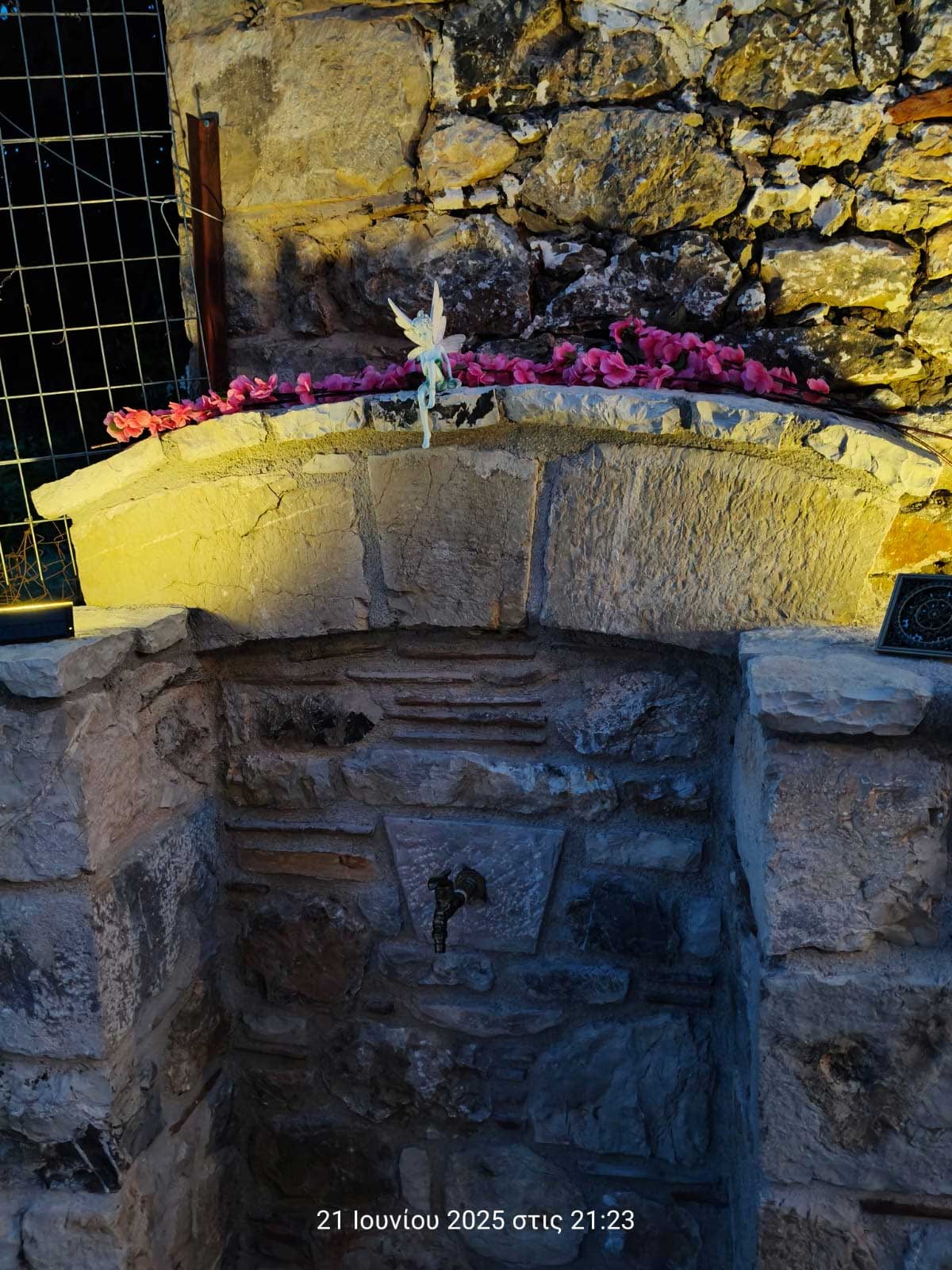
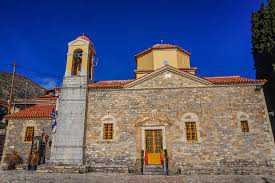
It is worth noting that Karya, Argos, is classified as a traditional settlement under the relevant legislative decree. It is often referred to as the ‘famous Arachova of the Peloponnese,’ with six refreshing springs that provide cool water directly from the alpine heights of Mount Artemisio. Additionally, there is a thermal spring for medicinal baths just 7 kilometers away, in a space designed for various activities such as hiking, mountain biking, exploration, horseback riding, and more.
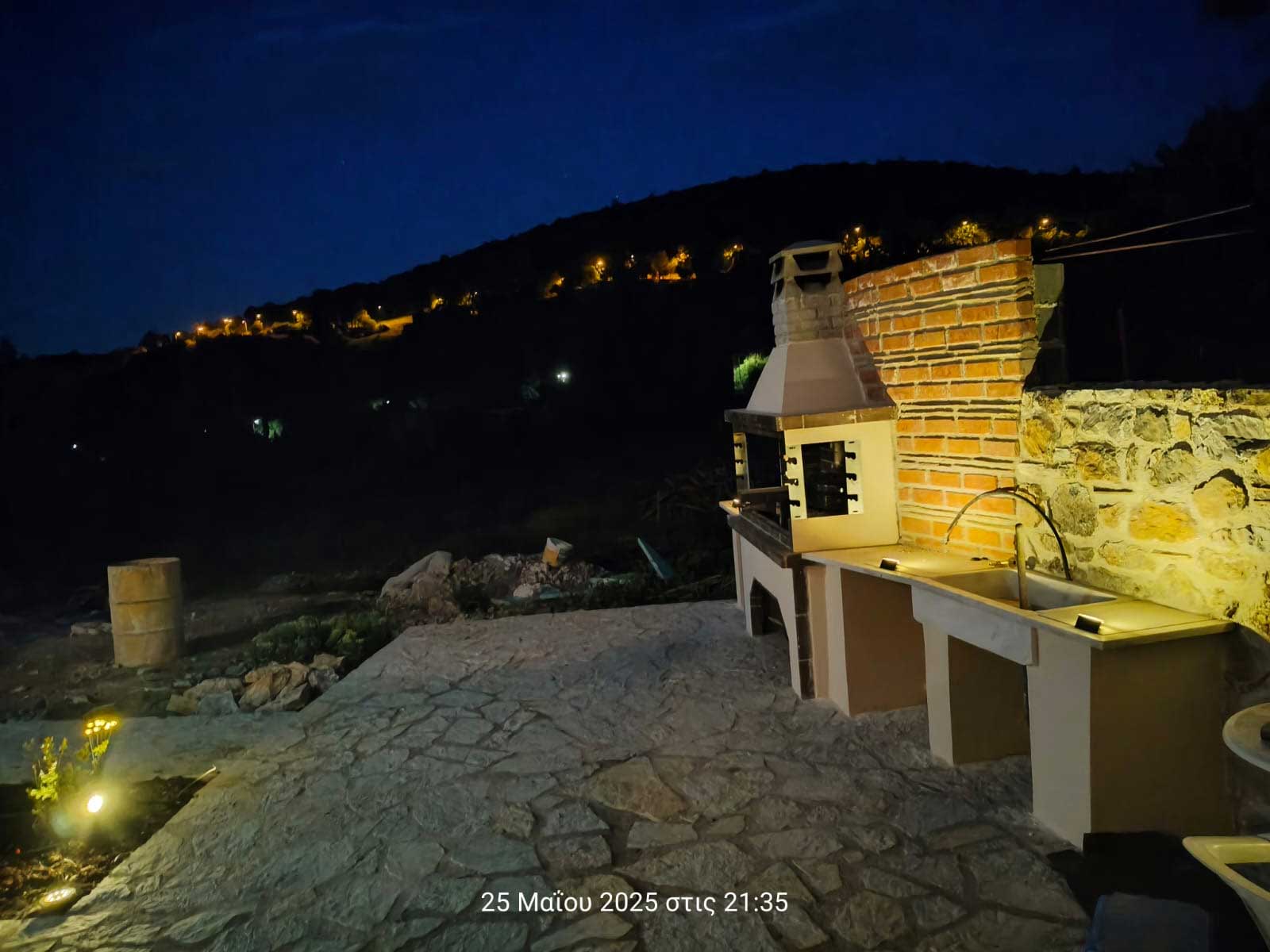
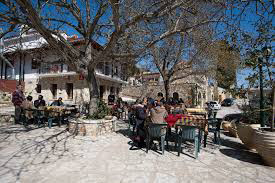
The village offers four taverns/cafes, but guests also have the option of preparing meals or dinners at the house, using selected kitchen appliances (Bosch-Miele), or in the beautiful stone courtyard with an outdoor BBQ/wood oven. Alternatively, guests can order food to be served at the house or prepared by an experienced chef, who will cook any Mediterranean dish you desire, including vegan options.
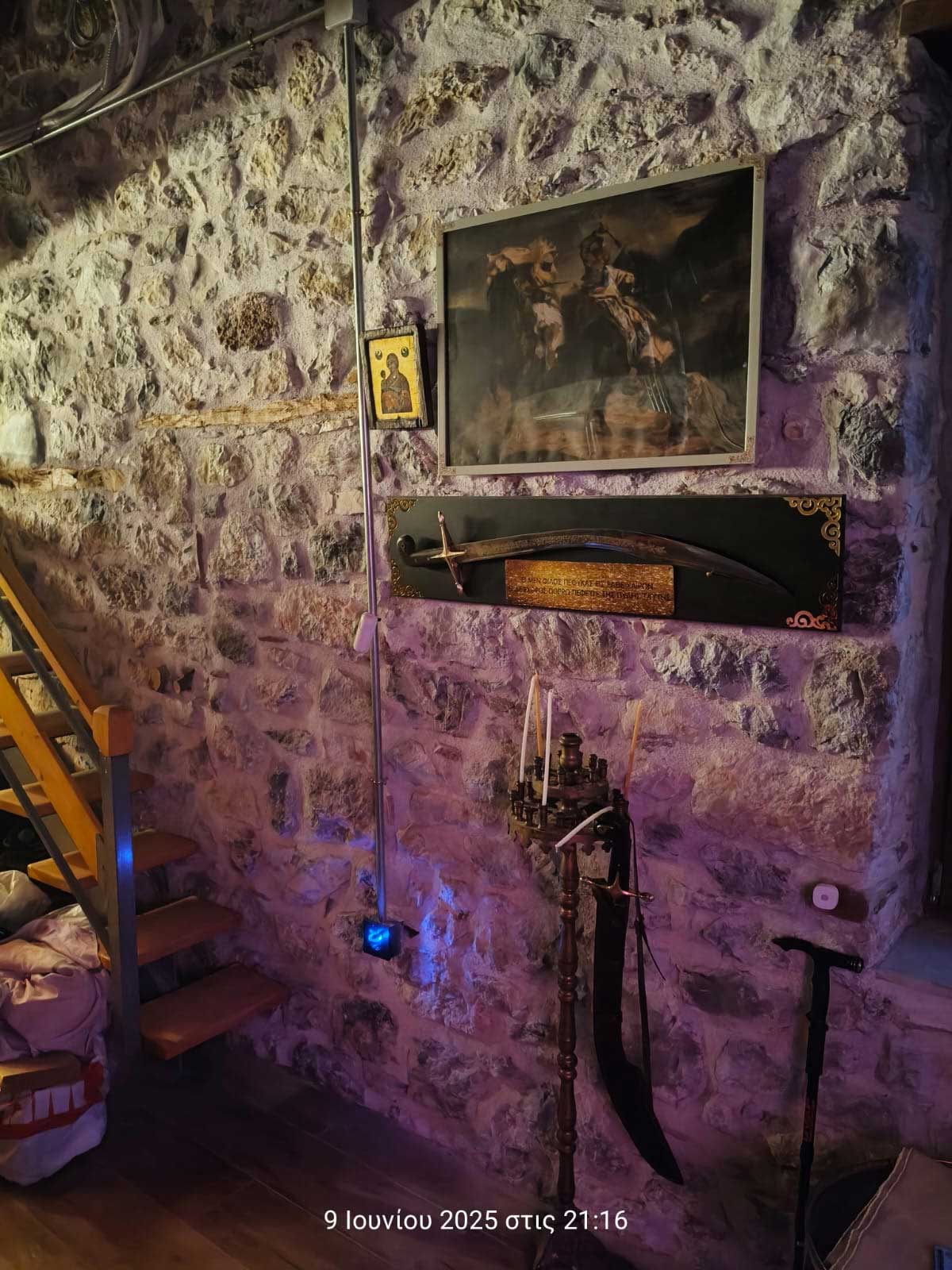
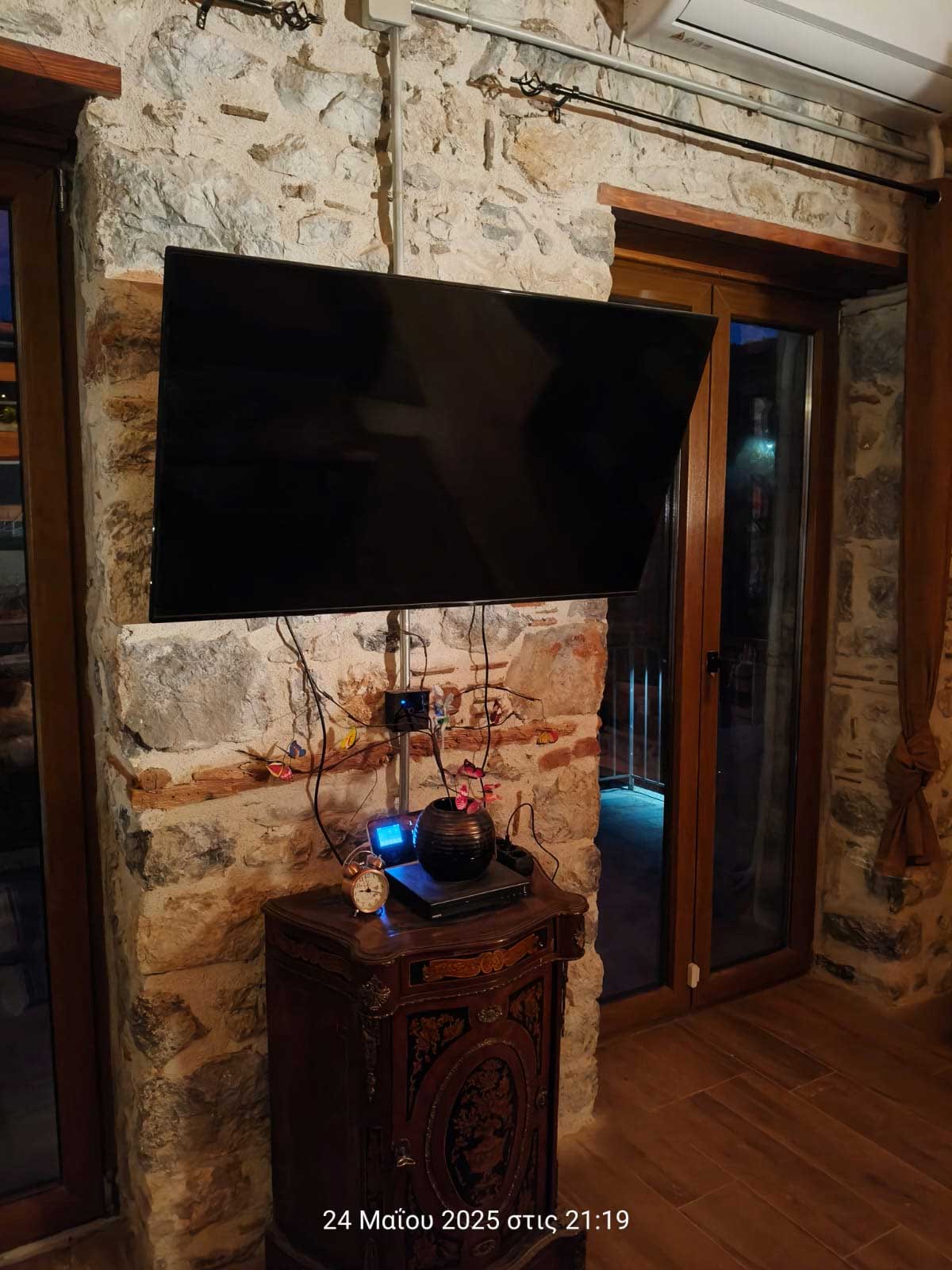
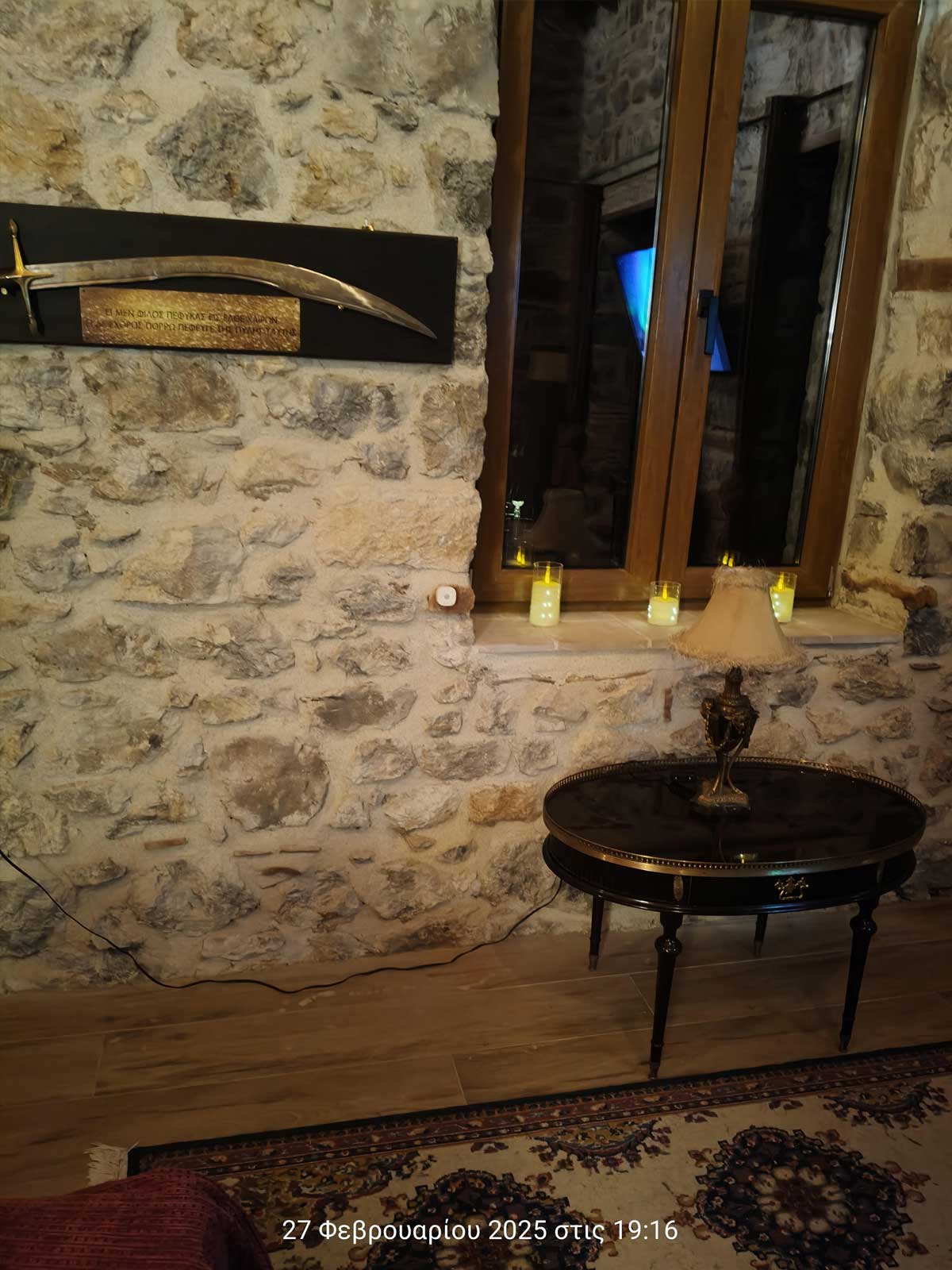
The house is adorned with branded furniture, all made of solid wood, with some pieces being Italian 19th-century antiques featuring exquisite engravings and reliefs – magnificent antiques that add a sense of timeless elegance.
There is also a wooden display cabinet featuring weapons and memorabilia from the 1821 Revolution, including swords, sabers, samsir, yatagan, flintlock pistols, and a carbine—all authentic pieces from the era. Naturally, the cabinet is locked, but the deactivated revolutionary weapons add a special touch of pride to this historical house, where decisions were made alongside Theodoros Kolokotronis.
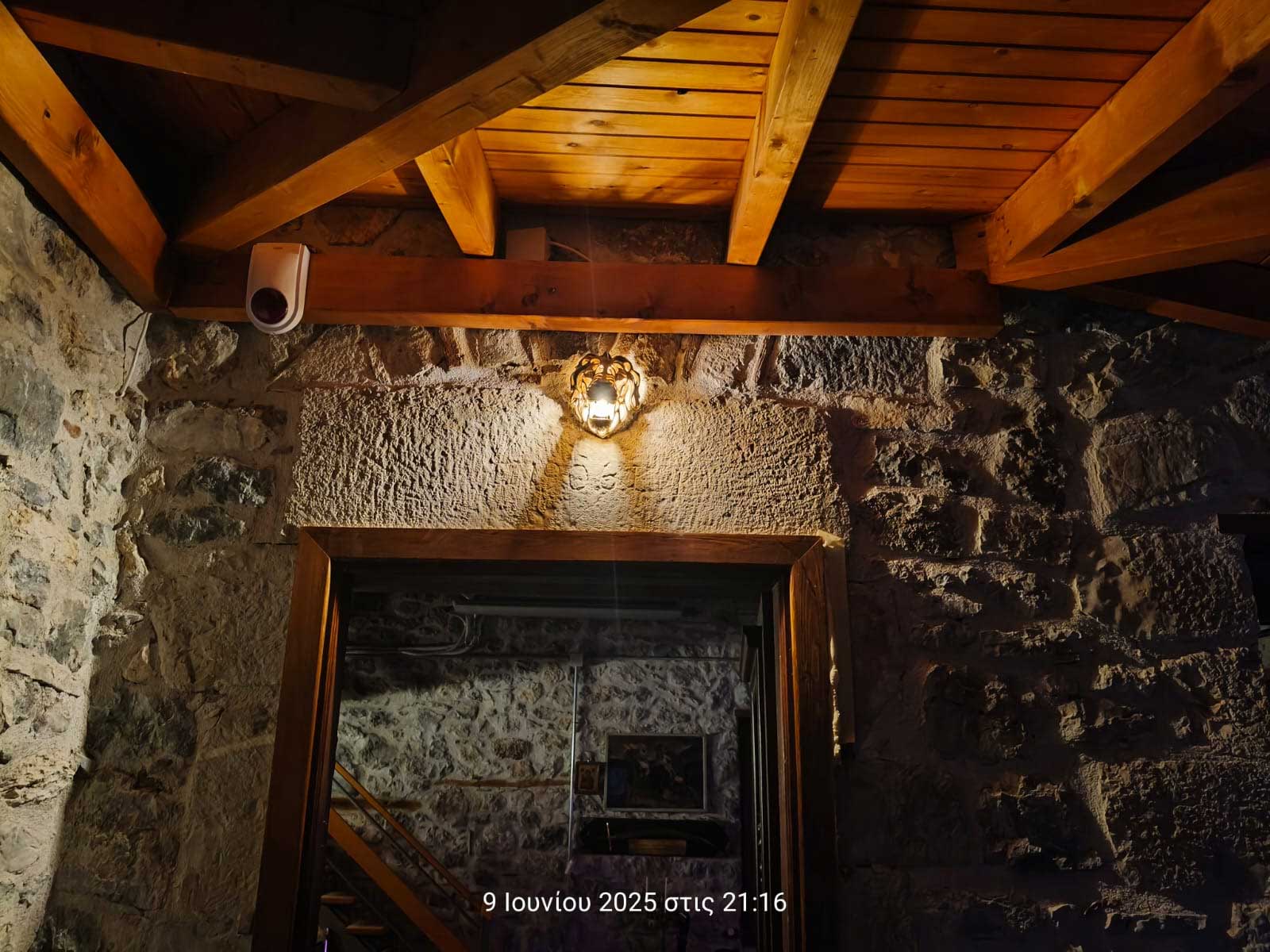
A pervasive sense of luxury is present, distinctively marked by the open ceiling with oak beams, magnificent Murano-style chandeliers from Italy, as well as specific replicas of paintings from modern artists.
The master bedroom on the first floor, made from solid mahogany and walnut wood (by Kourtis company), with matching luxurious furniture and high-value antiques, together with the fireplace, create a sense of opulence and warmth. The room is supplied with unlimited firewood and provides ample heating throughout the house, along with alarms and external cameras, should you choose to activate them during your stay in the mansion.
A secretary desk with a portable laptop, along with a 60-inch 4K TV for enjoying delightful movies during your evenings, are also available.
The mansion is located within the village, 300 meters from the central square with the plane trees and springs. It is situated in the last row of houses, offering tranquility and privacy. It serves as an ideal space not only for sports activities but also for contemplation or writing, with the positive energy and light of Mount Artemisio surrounding it.
It is worth noting that the house is listed in historical books, and a section of the catacombs is still preserved and illuminated, through which Theodoros Kolokotronis and other 1821 revolutionaries would meet.
There is parking space within the estate for 4 cars.
Additionally, you have the option to rent an electric mountain bike for distances, or a 4×4 jeep can be provided for transportation to all the historical sites.
As a reference, Tripoli and the areas of mountainous Arcadia are approximately 30 to 50 minutes away by car, while Nafplio is a 40-minute drive.
Suites & Spaces
First‑Floor Suite
140 m² • sleeps 4‑6 • grand mahogany master bedroom, fireplace lounge, 60″ 4K cinema, catacomb access.
€1500 / 3 nights
Ground‑Floor Suite
140 m² • sleeps 4‑6 • vaulted stone ceilings, antique furnishings, private courtyard entrance.
€1000 / 3 nights
Estate Extras
3000 m² gardens, BBQ & wood oven, free parking, electric MTB & 4×4 rental, pet‑friendly grounds.
Experiences
Explore hidden crypts once used by revolutionaries, taste artisanal honey and olive oil from the village, hike to alpine springs, or arrange a private chef to craft vegan or Mediterranean feasts under the stars.
Gallery
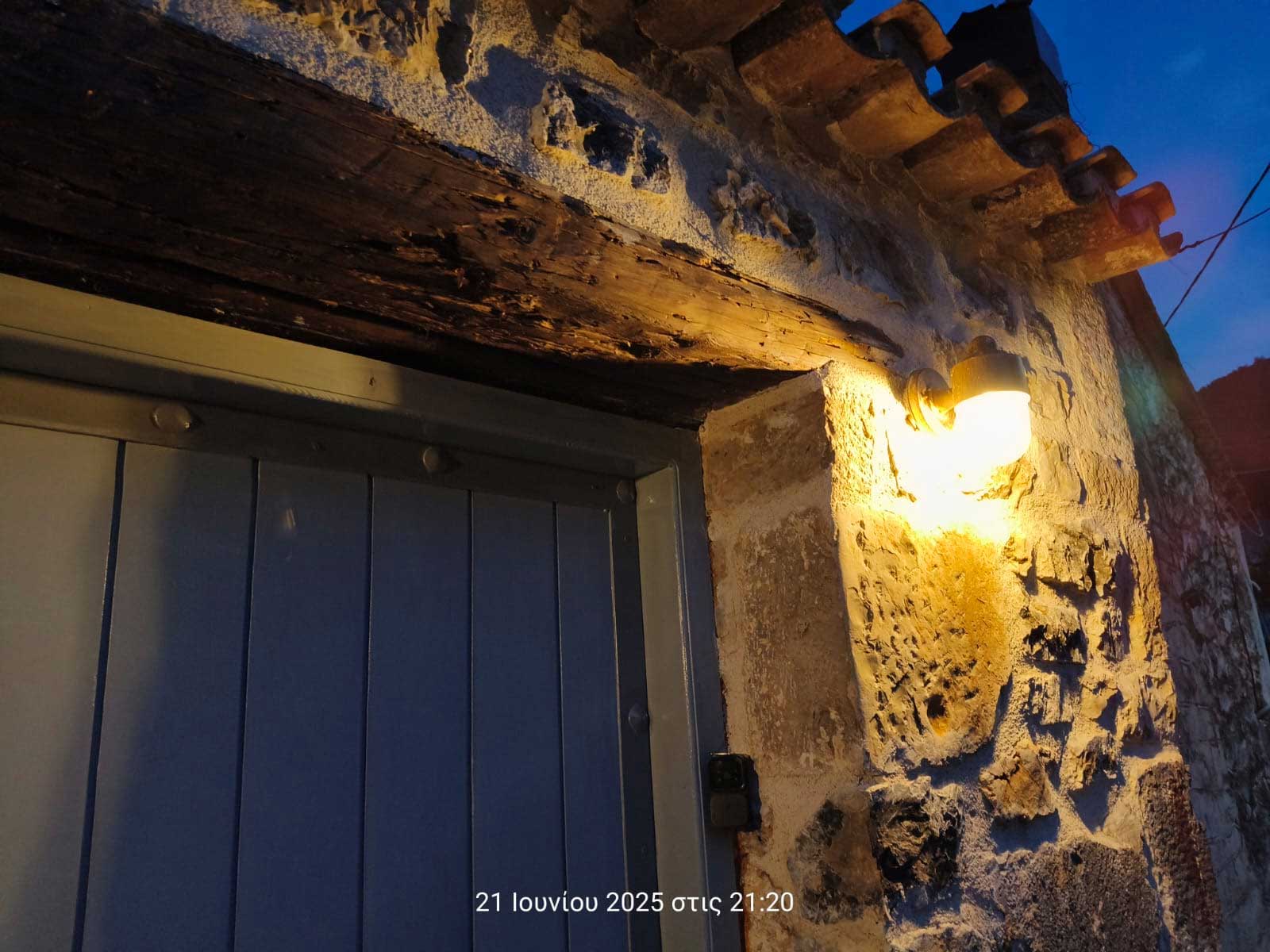
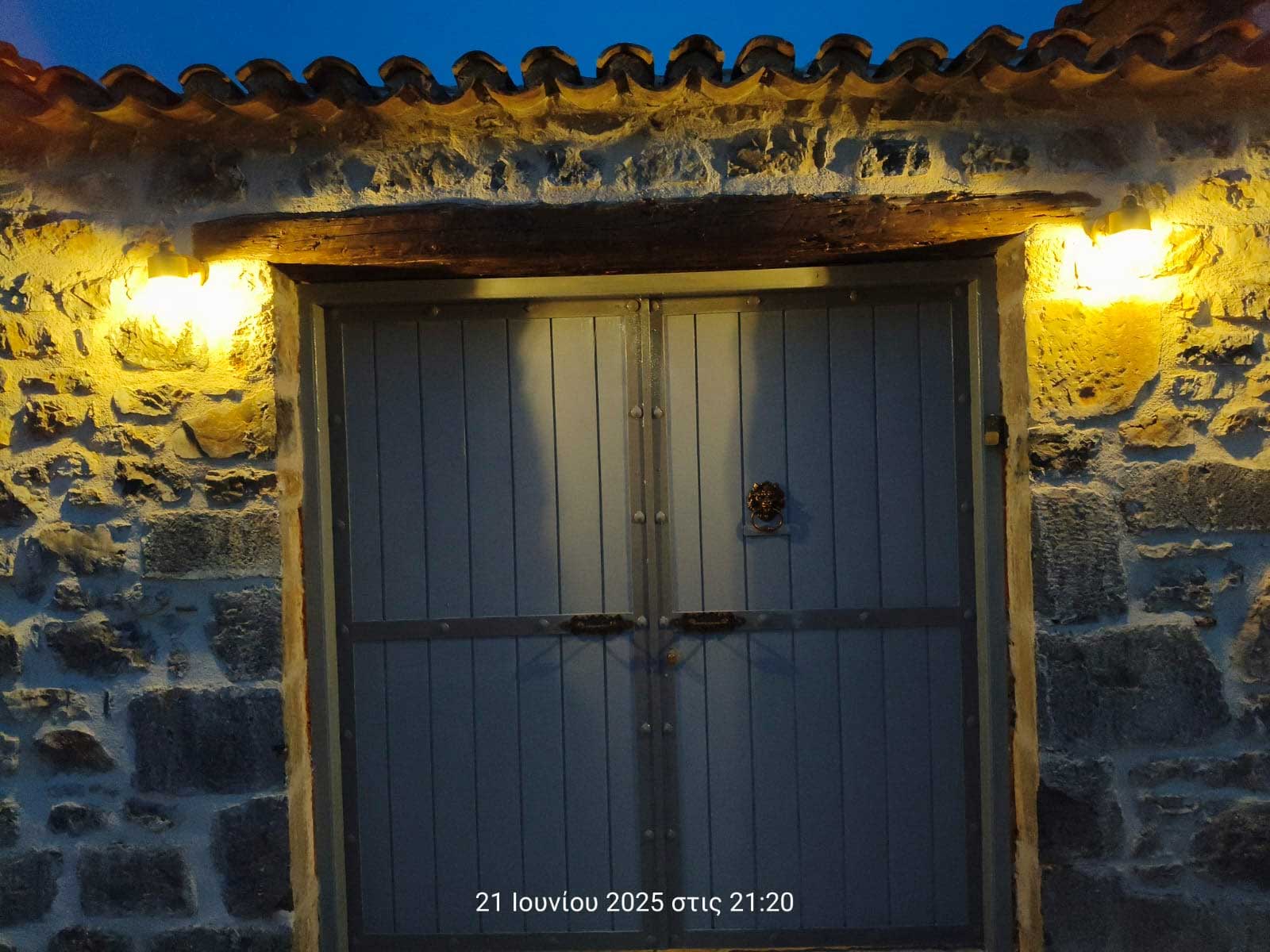
A unique experience by staying in a restored accommodation.
Location
Karya, Argos – the ‘Arachova of the Peloponnese’. 40 min from Nafplio, 50 min from Tripoli. GPS: 37.634 N, 22.607 E
KARYA ARGOS GREECE
Rates & Inclusions
Welcome hamper with local wine, fresh bread, farm eggs, and seasonal produce included. Special rates for weekly stays and cultural event hosting. Non‑smoking interiors.
Enquire & Book
Information- contact for SALE:
Email: e.anastasopoulou@outlook.com.gr
Tel/WhatsApp: +30 693 666 7474
Follow us on Instagram & Facebook for stories from the restoration.